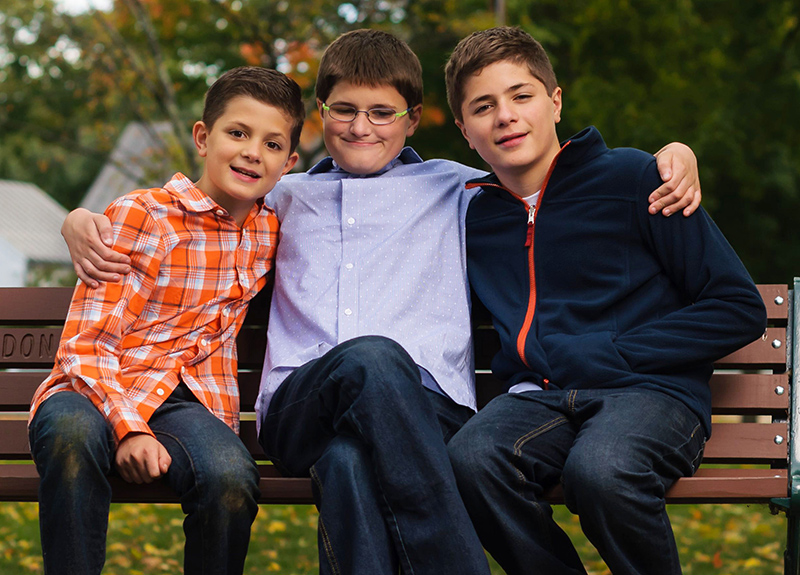
When one child in the family is autistic, the whole family’s world shifts — and that includes their brothers and sisters. It’s only natural that so much of the focus goes toward the child with additional needs, but while that’s happening, siblings are quietly going through their own thing. Processing their own emotions. Asking their own questions. Having their own experiences that nobody’s really stopping to ask about.
They can feel protective, confused, proud, embarrassed, and completely overwhelmed with love — sometimes all before breakfast.
I know this because I’ve lived it. Blake and Matthew are only sixteen months apart, and watching them navigate life together — with all the complexity that brings — has taught me so much about how important it is to make sure both of them feel seen.
Let Them Feel What They Feel — All of It
Siblings of autistic children carry a lot of emotions that they don’t always know what to do with. And a lot of the time, they feel guilty for having them in the first place.
They might be wondering things like:
“Why does my brother need more help than me?” “Why can’t we just do normal things like other families?” “What’s going to happen when we grow up?”
And here’s the thing — those feelings are completely valid. Every single one of them. Feeling frustrated doesn’t cancel out the love. Feeling jealous doesn’t make them a bad sibling. Wishing things were a little easier sometimes doesn’t make them selfish — it makes them human.
Sometimes the most powerful thing you can say to them is simply: “It makes sense that you feel that way.”
Just that. No fixing. No dismissing. Just letting them know that what they’re feeling is okay.
Help Them Understand — Don’t Just Give Them Instructions
Kids cope so much better when they actually understand why things are the way they are. And explaining autism doesn’t have to be complicated — it just has to be honest and age-appropriate.
Things like:
“Your brother’s brain hears sounds much louder than yours do.” “Your sister needs a bit more time to switch from one thing to another.” “Crowds can feel really painful for them — like a headache made entirely of noise.”
When things make sense, confusion starts to turn into compassion. Fear starts to turn into patience. And it’s worth making clear — autism isn’t anyone’s fault. It isn’t something you can catch. It isn’t something anyone caused.
Don’t Let Them Grow Up Too Fast
This one is so important, and I don’t think it gets talked about enough.
A lot of siblings quietly become little adults without anyone ever asking them to. They start keeping the peace. They hold back their own needs because they can see how much their parents are already dealing with. They step into a caregiving role before they’re anywhere near ready for it.
And while that kind of empathy is honestly beautiful — they still deserve a childhood. A proper, carefree, their childhood.
They don’t have to be helpers all the time. They don’t have to put their own happiness on hold. Give them permission to just be kids.
Carve Out Time That’s Just For Them
It doesn’t have to be anything big or elaborate. Just time that’s entirely theirs, where the focus is completely on them — not therapy appointments, not behaviour strategies, not whatever’s been a challenge that week.
A walk together. A bedtime story. A wee trip out for a treat. A game they get to pick. Even just a quiet chat in the car on the way somewhere.
Those moments say, without you ever having to put it into words: You matter too.
Prepare Them For the Hard Moments
Meltdowns, sensory overload, sudden changes of plan, the awkward moment in public when strangers are staring — these things can be frightening or just really embarrassing for siblings. Especially when they’re teenagers and the last thing they want is to stand out.
It helps to talk about it in advance. Let them know what might happen, what they can do if they’re feeling overwhelmed, who they can go to — and that it is absolutely not their job to fix anything. Adults are there to keep everyone safe. That’s not on them.
Knowing what to expect makes such a difference. It takes away so much of the anxiety.
Keep the Conversation Going
A lot of siblings won’t bring up their worries because they don’t want to add to your stress. They’re already trying to protect you — even when they’re the ones who need protecting.
So create the space for them to talk. Ask gentle questions every now and then:
“What’s been the hardest part lately?” “Is there anything you wish was different at home?” “How are you doing — honestly?”
And then just… listen. Really listen. Without immediately jumping in to fix it or reassure them or explain it away. Sometimes being heard is genuinely more important than being given answers.
Help Them See What They’re Gaining Too
I want to be honest here — growing up with an autistic sibling is not without its challenges. I’m not going to pretend otherwise.
But it also shapes you in ways that are genuinely remarkable.
The empathy. The patience. The ability to accept people exactly as they are without needing them to be different. The loyalty that runs bone-deep. So many siblings develop this extraordinary ability to look past surface behaviour and see the actual person underneath — and that is such a rare and precious thing.
Help them notice those qualities in themselves. Because their experience, even the hard parts of it, is quietly making them into someone pretty special.
They’re Not Alone In This
If you can connect your child with other siblings of autistic kids — through groups, through books, through shared stories — please do. Because knowing that other kids out there get it, that other families look a bit like yours, makes such a difference.
It makes them feel less like an outsider. And more like someone who belongs to a community they didn’t even know existed.
Love Doesn’t Get Divided — It Expands
I think the most important thing any sibling needs to hear — and needs to keep hearing — is this:
Your brother or sister’s needs don’t take anything away from how much you are loved.
Love isn’t a pie that gets smaller the more people you share it with. It stretches. It grows. It meets each person exactly where they are.
Your autistic child needs support. Your other child needs reassurance. And both of them deserve to know, without any doubt, that they belong equally in your heart.
Their Story Matters Too
Siblings aren’t just bystanders in all of this. They’re part of the story — shaping it, being shaped by it, growing because of it.
With understanding, honesty, and a little bit of intentional time and effort, they can grow into not just wonderful brothers and sisters, but genuinely compassionate, grounded, resilient human beings who carry that empathy with them into the rest of their lives.
And one day — maybe not for a while yet, but one day — they might look back and realise that growing up in a family like theirs taught them something that not everyone gets the chance to learn.
How to love people exactly as they are.
That’s not a small thing. That’s everything.