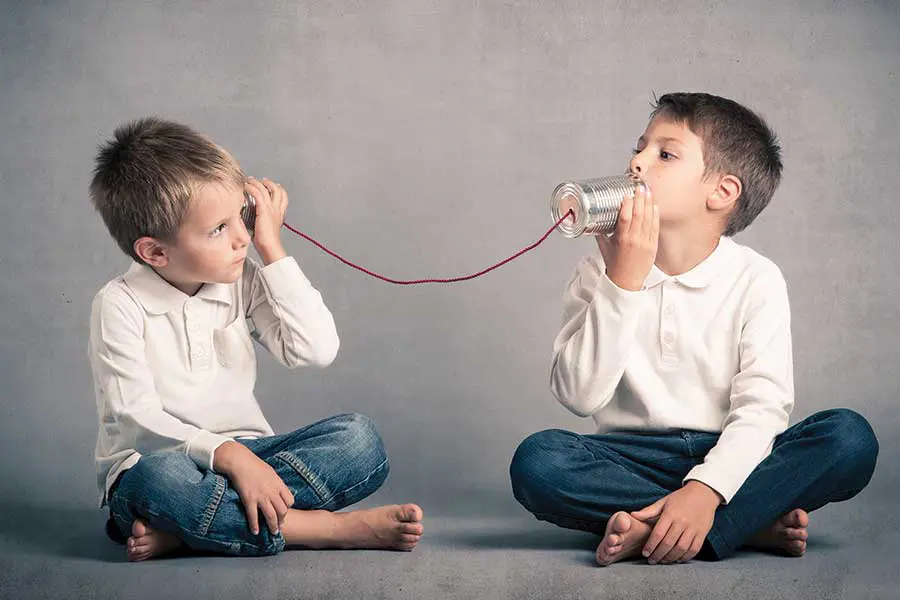
When most of us think about communication, we think about words. Talking, explaining, asking questions, telling stories. But words are just one piece of the puzzle.
For a lot of autistic children, communication looks a little different — and once you understand that, everything starts to shift.
Instead of spoken words, they might rely more on non-verbal cues. Gestures. Facial expressions. Body language. The way they move, or even the way they position themselves in a room. And here’s the thing — these signals aren’t random. They’re meaningful. They’re how your child is telling you how they feel and what they need. You just have to learn how to read them.
In many ways, it’s like learning a secret code. And every child’s code is different.
A small gesture, a certain look, a sudden change in behaviour — once you learn to recognise these things, they start to say so much. What might seem subtle to someone on the outside can be a really powerful message once you know what you’re looking for.
Think about how naturally we already read body language in everyday life. You can usually tell when a friend is upset just by the way they slump into a chair or go quiet. You don’t need them to say a word — you just know. For autistic children, those silent signals can be even more important. When words feel overwhelming or just too difficult, behaviour and body language become the way they tell their story.
And when we start to pay attention to that — really pay attention — we get a glimpse into their world.
We start to understand not just their needs and feelings, but their likes and dislikes, the things that bring them joy, the things that overwhelm them. We start to see them — not just the meltdown or the shutdown or the moment that felt impossible to navigate.
Does it take patience? Absolutely. Does it take time, and observation, and a fair bit of trial and error? Yes to all of that. But honestly? It’s so worth it.
Because when we tune into those non-verbal messages, something really beautiful starts to happen. That gap between our world and theirs begins to close. Frustration slowly turns into connection. Confusion turns into clarity. And most importantly — your child begins to feel seen. Understood. Like their way of communicating actually matters.
Because it does. Whether they’re using words or not, they have a voice. And learning to hear it is one of the greatest things we can do for them.