For many autistic children, personal space isn’t just a preference — it’s a sanctuary.
It’s a safe, calming place that protects them from a world that can often feel overwhelming. This space allows them to pause, breathe, and process everything around them at their own pace. And importantly, it’s not about withdrawing from others — it’s about regulating their experience so they can re-engage when they’re ready.
🌼 Why Personal Space Matters
Imagine living in a world where every sound is louder, every light is brighter, and every touch feels more intense.
For autistic children, this heightened sensitivity can make everyday environments feel overwhelming. Their personal space becomes a vital buffer — a way to manage the constant flow of sensory input.
When we respect that space, we’re not encouraging isolation. We’re supporting emotional regulation, reducing anxiety, and helping them feel safe in their surroundings.
👀 Recognising the Signs
Autistic children often communicate their need for space in subtle but meaningful ways.
You might notice them:
- Turning away from people or activity
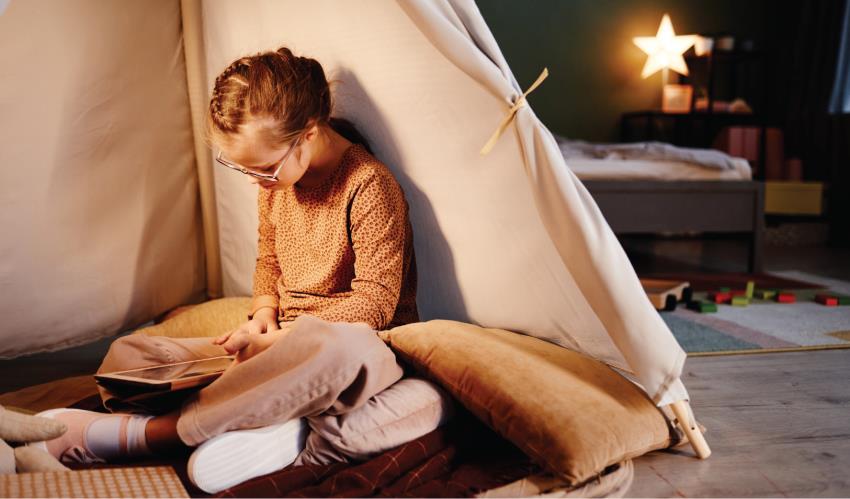
- Moving to a quiet corner
- Focusing deeply on a solo activity
- Covering their ears or withdrawing physically
These behaviours are not rejection.
They are communication.
They are saying: “I need a moment.”
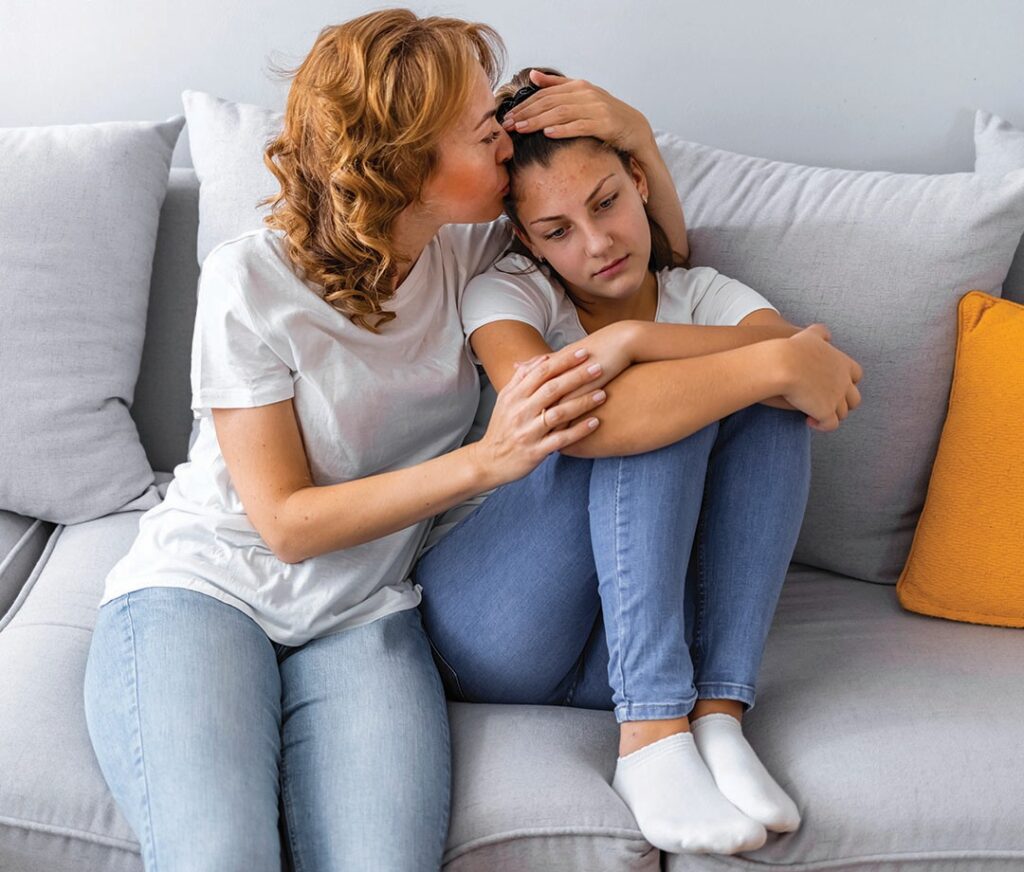
🤍 How We Can Support Them
Respecting these cues is one of the most powerful ways we can show understanding.
When a child seeks their space:
- Allow them the time they need without pressure
- Avoid forcing interaction or conversation
- Offer reassurance without intrusion
- Create safe, sensory-friendly environments where they can retreat
By doing this, we send a clear message: you are safe, and your needs are valid.
🌈 Creating a Foundation of Trust
When we honour a child’s boundaries, we build trust.
We show them that their feelings matter, that they are understood, and that they don’t have to fight to be comfortable in their own world. Over time, this sense of safety becomes the foundation for confidence, connection, and happiness.
Because sometimes, the most meaningful support we can offer…
is simply giving space.