Recognising the early signs of autism can feel overwhelming—but it can also be an empowering first step toward getting your child the support they need to truly flourish.
Every child develops at their own pace, and autism presents differently in every individual. Still, there are some common patterns that may gently signal your child experiences the world in a unique way.
Below are some key signs to look out for, grouped into social, communication, and behavioural areas.
Some children on the spectrum may interact with others in ways that feel different from what you might expect.
You might notice:
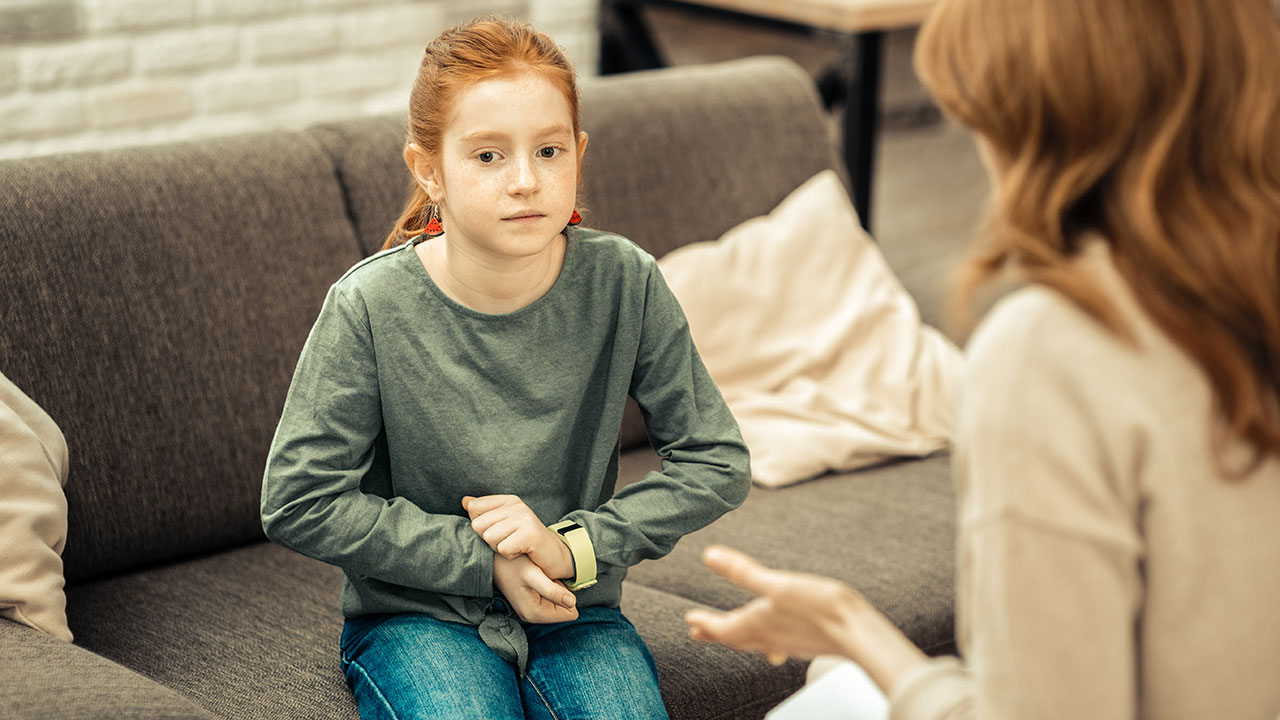
- Limited eye contact – your child may avoid looking directly at you during interactions
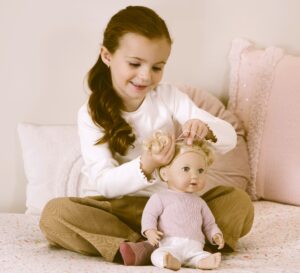
- A preference for playing alone – they may seem happiest in their own space rather than engaging with peers
- Difficulty understanding social cues – things like facial expressions, tone of voice, or body language may be confusing
These differences don’t mean your child doesn’t want connection—it may simply mean they experience it differently.
Communication can look very different for autistic children, and that’s okay.
Some signs include:
- Delayed speech development – your child may begin speaking later or use fewer words than peers
- Echolalia – repeating words or phrases they’ve heard instead of using their own spontaneous language
- Difficulty with back-and-forth conversation – they may not respond to their name, struggle to follow instructions, or find it hard to express their needs
It’s important to remember that communication isn’t just verbal—many autistic children communicate beautifully in their own ways.
🔁 Behavioural Patterns
Behaviour is often where differences become more noticeable.
You may observe:
- A strong need for routine – changes in plans or environment can feel overwhelming or distressing
- Repetitive movements – such as rocking, spinning, or hand-flapping
- Deep, focused interests – an intense passion for specific topics, objects, or activities
These behaviours are not “wrong”—they often serve a purpose, helping a child feel calm, safe, or engaged.
💛 A Gentle Reminder for Parents
Seeing some of these signs can bring up a lot of emotions—uncertainty, concern, even fear. But it’s important to pause and remember this:
👉 These signs are not a diagnosis.
👉 Every child develops differently.
👉 And you know your child better than anyone else.
If you notice these patterns consistently, it may be helpful to seek a professional evaluation—not because something is “wrong,” but because understanding your child more deeply opens the door to the right support.
This isn’t about labels.
It’s about connection, understanding, and helping your child thrive in their own beautiful way.