Friendship is something many of us take for granted — but for autistic children, it can feel like stepping into a world filled with unwritten rules and hidden expectations.
This doesn’t mean autistic children don’t want friendships. In fact, many deeply value connection. The difference lies in how they experience and navigate social interactions. The subtle cues, body language, and unspoken “rules” that come naturally to others can feel confusing or overwhelming, making the idea of forming friendships seem daunting.
The Power of Just One Friend
What’s often misunderstood is that friendship doesn’t need to look a certain way to be meaningful.
For an autistic child, even one close friend can be incredibly powerful.
That one friendship can offer:
- A sense of safety and acceptance
- Someone to share interests and passions with
- A space to practice social interaction without pressure
- Genuine joy and connection
It’s not about the number of friends — it’s about the quality of the connection.
Every Child’s Social World Is Different
Just like neurotypical children, autistic children are all different.
Some may long for multiple friendships and social interaction, while others feel happiest with a small circle — or even just one trusted companion. And that’s okay.
There is no “right” way to experience friendship.
What matters most is recognising and respecting each child’s individual comfort level, rather than trying to fit them into a social mould that doesn’t suit them.
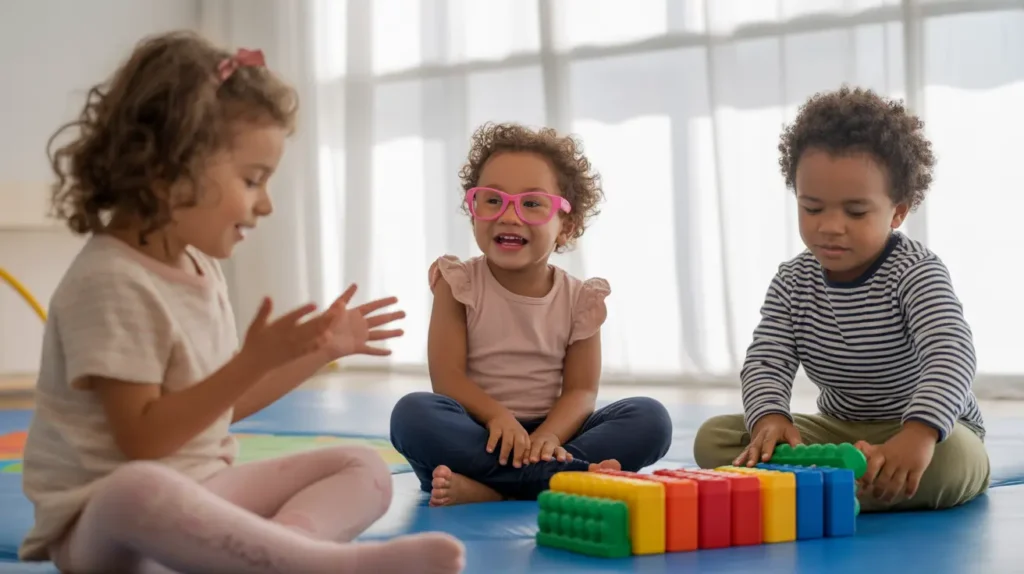
Supporting Autistic Children in Building Friendships
As parents, caregivers, and educators, our role is not to force friendships — but to create opportunities, understanding, and support.
We can help by:
- Encouraging shared-interest activities where natural connections can form
- Teaching social skills gently and without pressure
- Celebrating small steps and meaningful interactions
- Creating environments where autistic children feel safe being themselves
Friendship should never feel like a performance — it should feel like belonging.
A Journey Worth Honouring
The journey to friendship may look different for autistic children — and that’s something to honour, not change.
Each connection they build reflects their resilience, their individuality, and their unique way of seeing the world.
And sometimes, the most beautiful friendships are the ones that grow quietly — rooted in understanding, acceptance, and simply being allowed to be exactly who you are.