Sensory sensitivities are a big part of many autistic individuals’ lives, yet they’re often misunderstood.
One way to think about it is like having a volume knob for your senses — except this knob doesn’t work the same way for everyone.
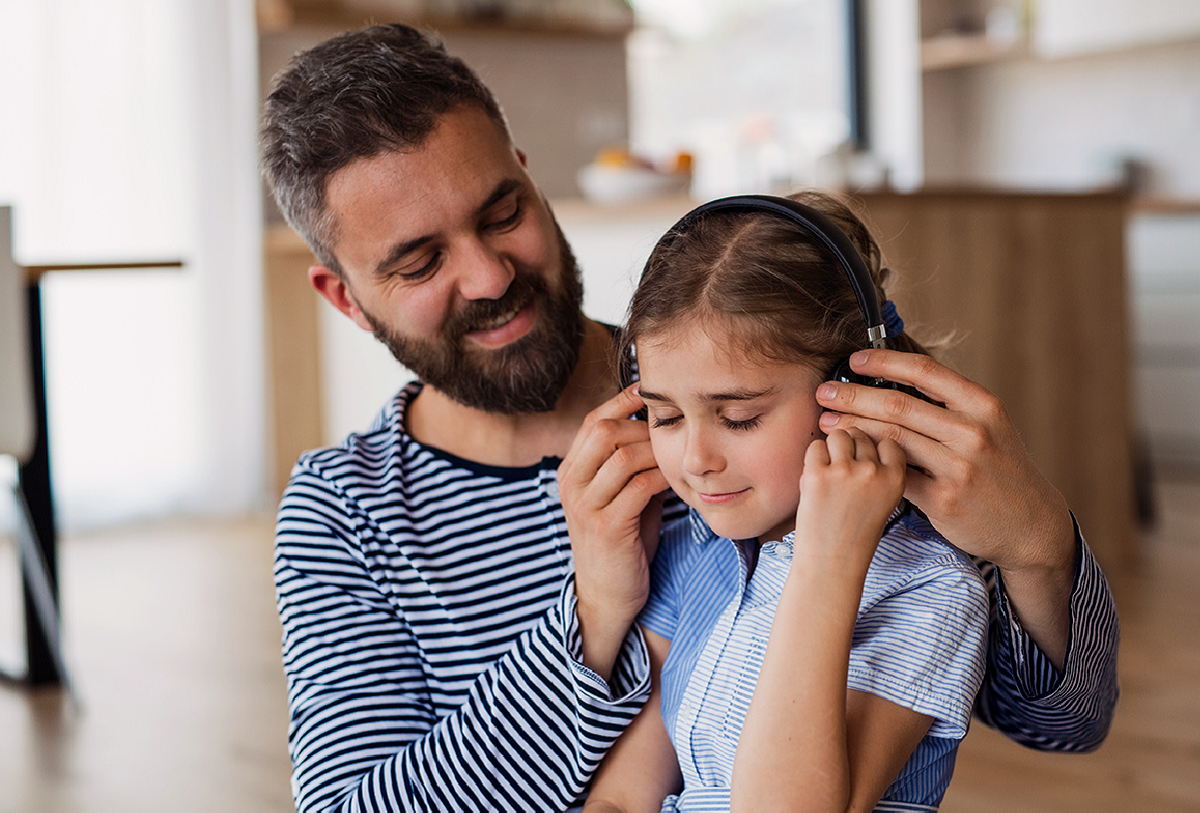
For some, that volume is turned all the way up. Lights can feel painfully bright. Everyday sounds can seem overwhelming, even unbearable. A busy room might feel chaotic and intense rather than lively and fun.
For others, it’s the opposite. Their sensory “volume” is turned down, meaning they may seek out more input — touching everything, craving movement, or needing stronger sensations to feel regulated.
This is why something as simple as a clothing tag can feel unbearable for one child, while another might not notice it at all.
Every Experience Is Unique
Just like we all have different tastes in food or music, sensory experiences vary from person to person.
But for autistic individuals, these differences are often more intense — and they can have a real impact on daily life.
It’s not just about disliking a certain smell or sound.
It’s about how those sensory experiences can overwhelm the nervous system, making everyday environments feel unpredictable, stressful, or even unsafe.
A trip to the supermarket.
A noisy classroom.
A crowded family gathering.
These situations, which may seem ordinary to some, can feel incredibly challenging to navigate.
Seeing the World Through Their Eyes
When we begin to understand sensory sensitivities, something powerful happens — our perspective shifts.
We start to see why:
- A crowded room might feel too much
- Certain fabrics are completely intolerable
- Food textures matter just as much as taste
- Quiet spaces can feel like relief
Understanding this isn’t about “fixing” the child.
It’s about meeting them where they are.
It’s about creating environments that feel safe, supportive, and respectful of their needs.
Creating a More Supportive World
Awareness is the first step.
When we recognise and respect sensory differences, we can begin to:
- Adjust environments
- Offer choices
- Reduce overwhelm
- Build trust
And most importantly, we show autistic individuals that their experiences are valid.
Because they are.
By embracing these differences, we don’t just make the world easier to navigate — we make it kinder, more inclusive, and more understanding for everyone.