For a long time, if you had a child who was clearly autistic but had strong language skills and seemed to be academically capable, they might have been given a specific diagnosis — Asperger’s syndrome. It was a label that helped a lot of families make sense of what they were seeing. It said, essentially, yes, your child is on the spectrum — but here’s where they sit on it.
And for many people, that label became part of their identity. Something they held onto. Something that finally gave them a framework for understanding themselves.
So why don’t we use it anymore?
Back in 2013, the American Psychiatric Association updated their diagnostic manual — the DSM-5, if you want the fancy name for it — and made a pretty significant change. All the separate autism-related diagnoses that had existed before — Asperger’s syndrome, autistic disorder, PDD-NOS (which always sounded to me like something you’d find on a menu, not a diagnosis) — were brought together under one single umbrella: Autism Spectrum Disorder, or ASD.
The thinking behind it made sense. Autism really is a spectrum, and trying to divide it into neat little boxes was causing all sorts of inconsistency. Two children with almost identical experiences could end up with completely different labels depending on which professional they saw. That’s not helpful to anyone — especially not to parents who are already trying to get their heads around everything.
By using ASD instead, clinicians could focus on describing each person’s individual strengths and challenges, rather than slotting them into a category that might not fully fit them anyway.
But there’s another reason the term started to fall away — and it’s a heavier one.
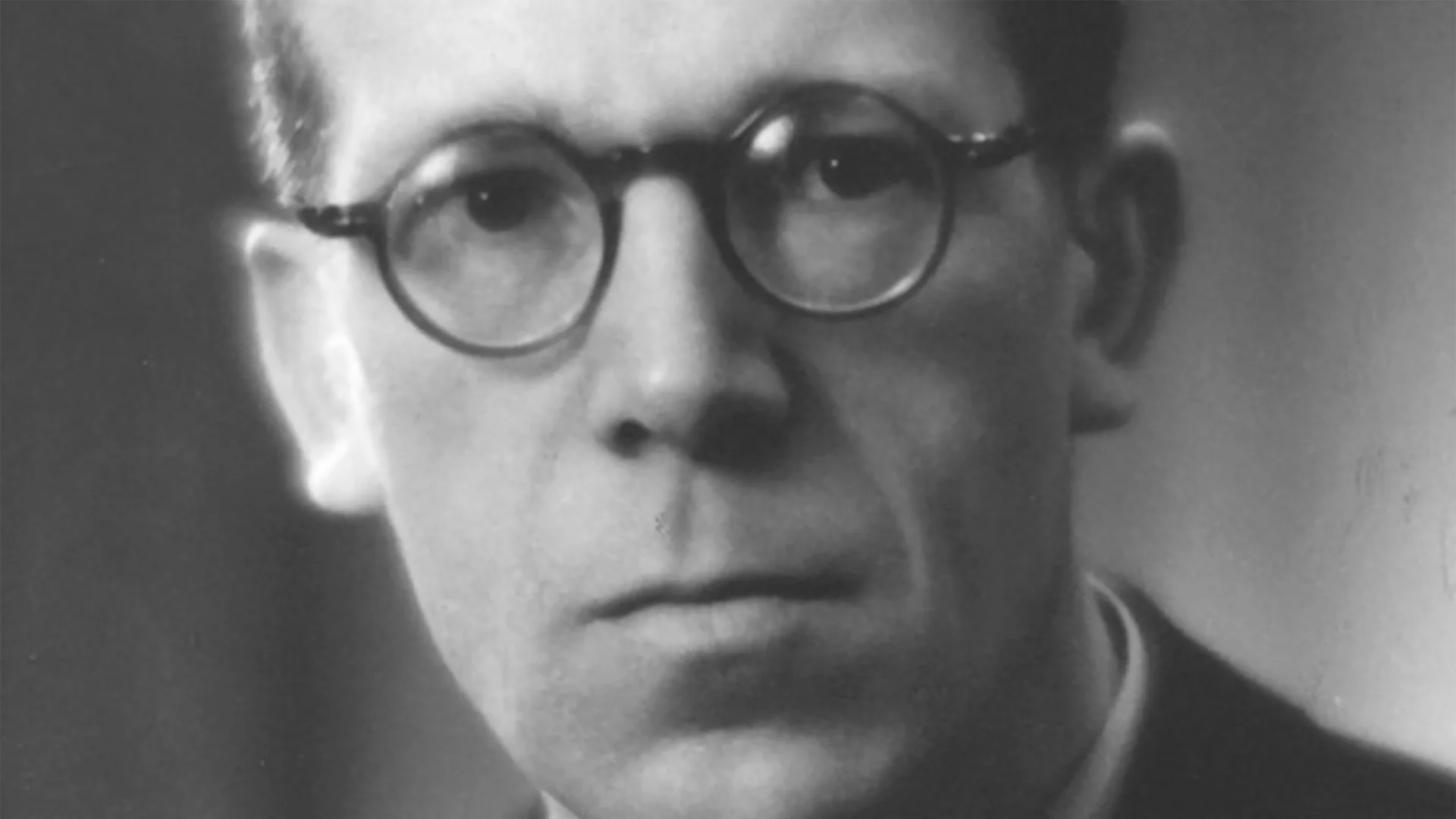
Asperger’s syndrome was named after Hans Asperger, an Austrian paediatrician who worked in the 1940s. Research in recent years has raised some deeply troubling questions about his involvement during the Nazi era and what happened to some of the children under his care. The full picture is still being explored by historians, but it’s been enough for many people in the autism community to decide they no longer want to use his name. And honestly? I completely understand that.
Now — and this is important — if you or your child were diagnosed with Asperger’s and that label still feels like yours, that’s completely valid. Lots of people still identify with it, and no one is going to come and take that away from you. Identity is personal, and a diagnosis — or the language around it — is just one small part of who someone is.
But clinically, and increasingly in everyday conversation, ASD is now the term that better reflects what we understand autism to be: not a set of separate boxes with dividing lines between them, but one wide, extraordinary, endlessly varied spectrum of human experience.
And the more we move away from labels that divide, the closer we get to understanding autism the way it actually is — something that looks different in every single person who lives with it.