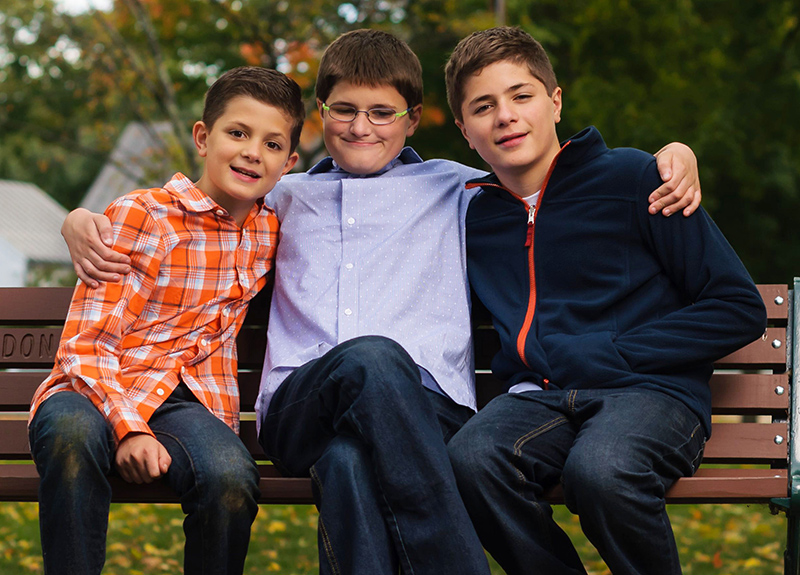
When a child is diagnosed with autism, the whole family’s world shifts — including the lives of brothers and sisters. While much of the focus naturally turns toward the child with additional needs, siblings are quietly navigating their own complex emotions, questions, and experiences.
They may feel protective, confused, proud, embarrassed, frustrated, loving — sometimes all before lunchtime.
Supporting siblings isn’t about giving them less attention to balance things out. It’s about helping them feel seen, heard, and valued within a family that may suddenly feel very different.
💛 Acknowledge Their Feelings — All of Them
Siblings of autistic children often experience emotions they don’t fully understand or feel guilty expressing.
They might wonder:
- “Why does my brother get more help than I do?”
- “Did I do something wrong?”
- “Why can’t we do normal things like other families?”
- “What happens when we grow up?”
Let them know that every feeling is allowed — even the hard ones. Frustration does not cancel out love. Jealousy does not mean they are selfish. Wanting things to be easier does not make them bad siblings.
Sometimes the most powerful thing you can say is:
“It makes sense that you feel that way.”
🧠 Give Them Understanding, Not Just Instructions
Children cope better when they understand why things happen.
Explain autism in age-appropriate ways, focusing on differences rather than deficits. For example:
- “Your sister’s brain hears sounds much louder than yours.”
- “Your brother’s brain needs more time to switch between activities.”
- “Crowds can feel painful for them, like a headache made of noise.”
Understanding turns confusion into compassion — and fear into patience.
Remind them that autism is nobody’s fault, and it isn’t something you can “catch” or cause.
🤝 Protect Their Childhood Too
Many siblings become “little adults” very quickly. They may take on caregiving roles, keep the peace, or suppress their needs because they see how much their parents are juggling.
While their empathy is beautiful, they still deserve a childhood that is carefree, playful, and centred on their own growth.
Give them permission to just be kids.
They do not have to be helpers all the time. They do not have to sacrifice their joy to support their sibling.
🌟 Create Special One-on-One Time
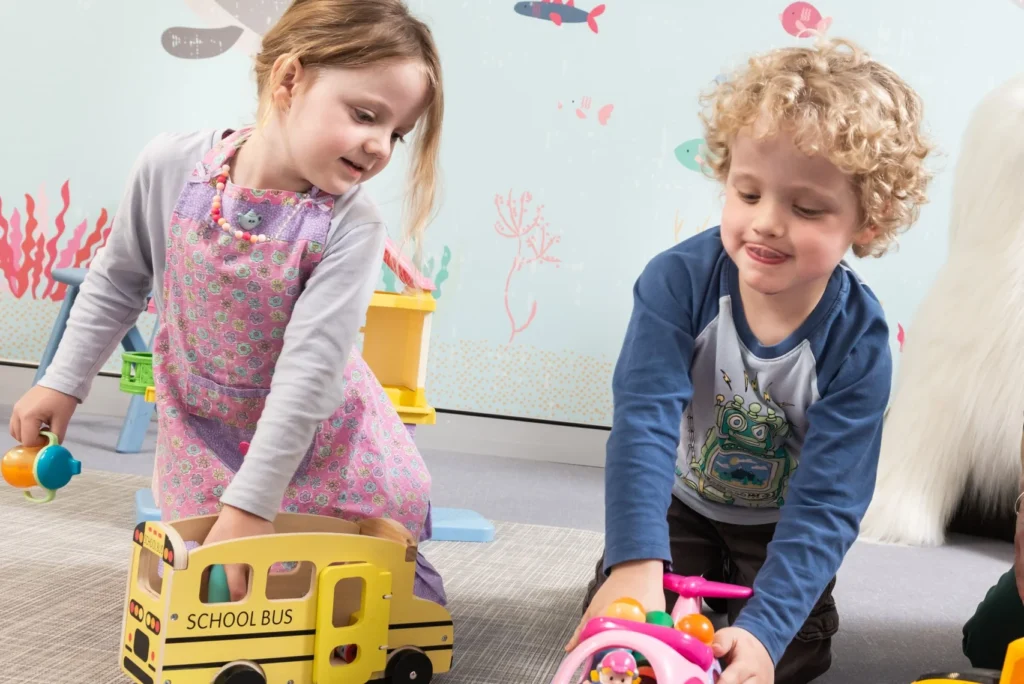
Even small pockets of undivided attention can be incredibly meaningful.
It doesn’t have to be elaborate:
- A walk together
- Reading at bedtime
- A quick trip for a treat
- Playing a game they choose
- A quiet chat in the car
During this time, let the focus be entirely on them — not therapy schedules, behaviour plans, or family logistics.
These moments say, without words:
“You matter too.”
🛡️ Prepare Them for Challenging Moments
Meltdowns, sensory overload, sudden plan changes, or public misunderstandings can be frightening or embarrassing for siblings.
Help them feel safer by explaining what might happen and what they can do:
- Where they can go if things get overwhelming
- Who they can talk to
- That they are not responsible for fixing the situation
- That adults are in charge of keeping everyone safe
Predictability reduces anxiety — for siblings as much as for autistic children.
💬 Encourage Open Communication
Some children won’t bring up their worries because they don’t want to add to your stress. Create regular opportunities for them to talk.
You might ask gentle questions like:
- “What’s been the hardest part lately?”
- “Is there anything you wish was different?”
- “How are you feeling about things at home?”
Listen more than you speak. Resist the urge to immediately reassure or solve. Feeling heard is often more important than getting answers.
🌈 Help Them Discover the Gifts Too
Growing up with an autistic sibling can foster extraordinary qualities:
✨ Deep empathy
✨ Patience and flexibility
✨ Strong sense of justice
✨ Acceptance of differences
✨ Emotional maturity
✨ Fierce loyalty
Many siblings develop a profound ability to see beyond surface behaviour and recognise the person underneath.
Help them notice these strengths in themselves. Their experience, while sometimes challenging, is also shaping them into compassionate and resilient human beings.
🫶 Remind Them They Are Not Alone
Connecting with other siblings of autistic children — through groups, books, or shared stories — can be incredibly validating. It reassures them that other kids live in families like theirs and understand what it’s like.
Normalising their experience reduces isolation and builds confidence.
✨ Love Multiplies — It Doesn’t Divide
One of the most important messages siblings need to hear is this:
Your brother or sister’s needs do not reduce how much you are loved.
Love in families isn’t a pie that gets sliced thinner. It expands to meet each person exactly where they are.
Your child with autism needs support.
Your neurotypical child needs reassurance.
And both need to know they belong equally in your heart.
🌿 A Family Story Still Unfolding
Siblings are not just bystanders in the autism journey — they are part of the story, shaping it and being shaped by it in return.
With understanding, reassurance, and intentional connection, they can grow not only into supportive brothers and sisters, but into compassionate, confident individuals who carry empathy into the wider world.
One day, they may even look back and realise that their family’s differences taught them something rare and powerful:
How to love people exactly as they are.
And that is a gift that will last a lifetime. 💛