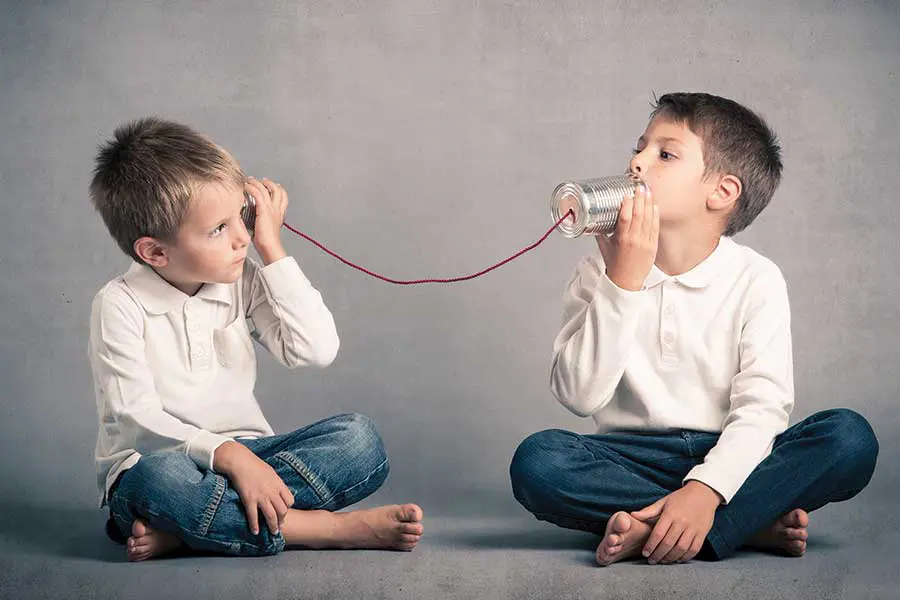
When we think about communication, we often think about words. Talking, explaining, asking questions, sharing stories. But words are only one way we communicate with each other.
For many autistic children, communication looks a little different.
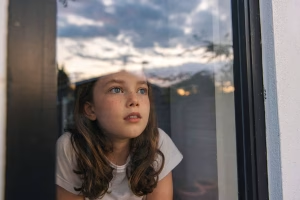
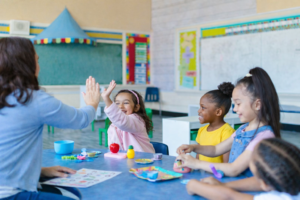
Instead of spoken words, they may rely more on non-verbal cues — gestures, facial expressions, body language, movement, or even the way they position themselves in a room. These signals are not random. They are meaningful. They are their way of sharing how they feel and what they need.
In many ways, it can feel like learning a secret code.
Every autistic child has their own unique way of expressing themselves. A small gesture, a certain look, or a change in movement can say a lot when you learn to recognise it. What may seem subtle to others can be a powerful message once you begin to understand what your child is telling you.
Think about how we naturally read body language in everyday life. You can often tell when a friend is upset just by the way they slump into a chair or avoid eye contact. You don’t need words to know something isn’t right.
For autistic children, these silent signals can be even more important.
When words feel overwhelming or difficult, body language and behaviour become their way of telling their story. By paying close attention to these signals, we gain a glimpse into their world. We start to understand not only their needs and feelings, but also their likes, dislikes, and the ways they experience the world around them.
Learning this silent language takes patience.
It takes observation. It takes time. And sometimes it takes a bit of trial and error. But the effort is incredibly worthwhile.
When we tune in to these non-verbal messages, we begin to build a bridge of understanding between our world and theirs. Slowly, that bridge grows stronger. Frustration can turn into connection, confusion into clarity.
Most importantly, our children begin to feel seen and understood.
By learning their unique communication style, we create new opportunities to connect, support, and celebrate who they are. We open the door to deeper understanding and remind them that their voice — whether spoken or unspoken — truly matters.