Right, let’s talk about something that took me a while to really get — and I mean really get, not just nod along to.
Personal space. And why, for our autistic kids, it can be absolutely everything.
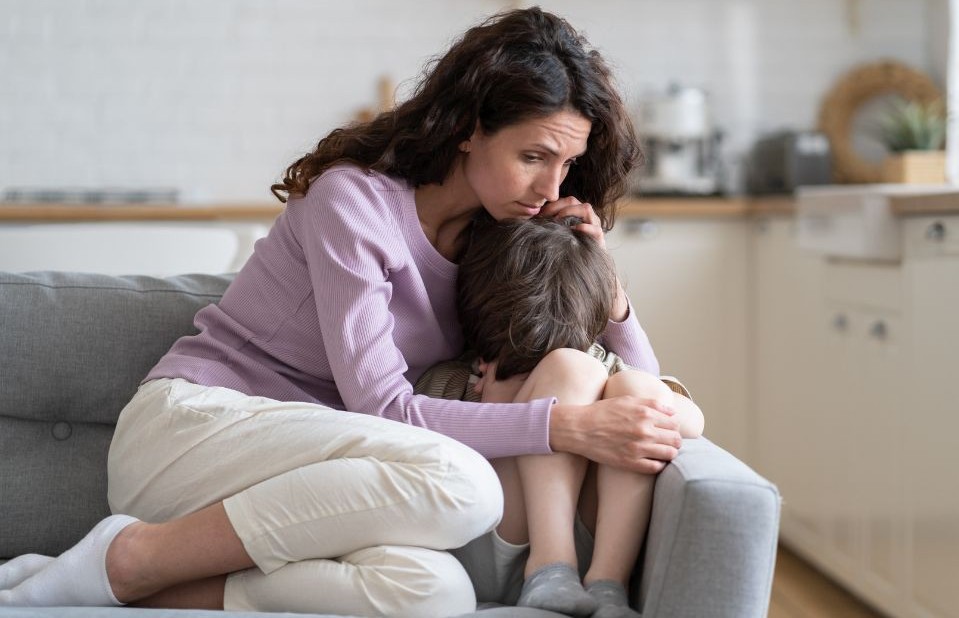
For a long time, I think I saw Matthew needing to retreat as something I had to fix. Like if I could just coax him back into the room, get him joining in, everything would be fine. But that wasn’t what he needed at all. What he needed was for me to get out of my own head long enough to actually listen — not to his words, but to what he was showing me.
Because that’s the thing about autistic children. They communicate their needs constantly. We just have to learn a different language.
What personal space actually means
For a lot of autistic kids, personal space isn’t about being antisocial or shutting the world out. It’s about survival, honestly. Imagine going through every single day where the lights are a bit too bright, the sounds are a bit too loud, and every bit of sensory input is just more than it would be for anyone else. By the time you’ve navigated a school day, a shopping trip, or even just a busy house — you are absolutely wrung out.
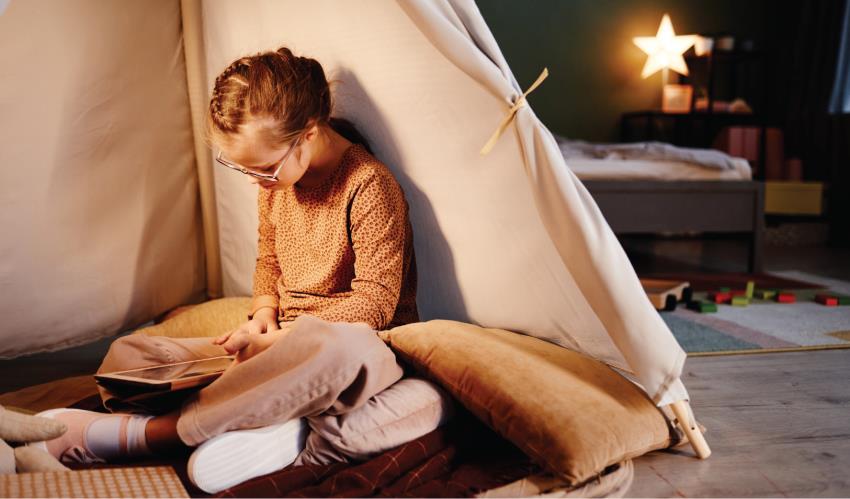
Their personal space is where they get to breathe again. Where they can decompress without anyone needing something from them.
When we respect that space, we’re not abandoning them. We’re actually doing one of the most supportive things we can — we’re letting them regulate, so they can come back to us when they’re ready.
What to look out for
Sometimes the signs are obvious. Sometimes they’re not. Matthew wasn’t always vocal about needing space — but he’d perhaps go to his own bedroom, or he’d zone in on something he found calming and completely block everything else out. He’d put on his headphones. He’d physically create distance.
None of that was rejection. Even when it felt like it — and there were moments it absolutely felt like it — it wasn’t. It was just him saying: I need a minute. In the only way he could manage in that moment.
Once I started reading those signals instead of fighting them, everything shifted.
What actually helps
Honestly? Doing less than you think you should.
When a child needs space, the instinct — especially for us mums — is to go after them. To check in, to fix it, to make sure they’re okay. But sometimes the most helpful thing is to let them be. Don’t force conversation. Don’t rush them back. Just make sure they know the environment is safe, and then give them the room to come back in their own time.
If you can, try to build that space into your home before they need it — a corner with their favourite things, a room they know is calm, a routine that gives them breathing room between busy activities. A bit of predictability goes a long way.
The bigger picture
When we honour these boundaries consistently, something quietly brilliant happens. Our kids start to trust that their needs won’t be dismissed. That they’re not going to be dragged back into sensory chaos before they’re ready. And that trust? That’s the foundation for everything else — for connection, for confidence, for all the moments of joy that do come.
It took me a while to stop seeing Matthew’s need for space as a wall between us.
Now I see it for what it is — him trusting me enough to show me what he needs.
And that’s actually pretty special.