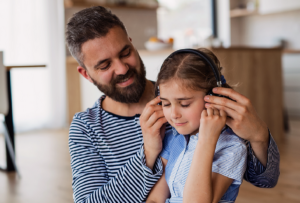

For many autistic children, personal space is more than just a preference — it is a sanctuary. In a world that can feel loud, bright, unpredictable, and overwhelming, this space offers safety, calm, and a chance to reset. It isn’t about wanting to be alone or pushing others away. Instead, it’s about creating a comfort zone where sensations, emotions, and social interactions can be processed at their own pace.
When this personal haven is unexpectedly invaded, it can feel startling or even distressing. What might seem like a simple hug, touch, or close proximity to one person can trigger anxiety or discomfort for a child whose senses are already working overtime.
Why Personal Space Matters So Much
Imagine experiencing everyday life with the volume turned all the way up — sounds sharper, lights brighter, textures more intense, and touch magnified. For many autistic children, this is a daily reality. Their nervous systems can be highly sensitive, making ordinary environments feel anything but ordinary.
Personal space becomes a protective buffer. It helps them regulate sensory input and maintain emotional balance. Without it, the constant stream of stimulation can quickly become overwhelming.
Respecting this need isn’t about encouraging isolation. It’s about acknowledging that regulation comes before connection. When a child feels safe and calm, they are far more able to engage, communicate, and enjoy interactions.
Recognising When a Child Needs Space
Autistic children often communicate their needs through behaviour rather than words. Learning to recognise these cues can make a world of difference.
You might notice a child:
- Turning their body away
- Covering their ears or eyes
- Retreating to a corner or quiet area
- Becoming very still or withdrawn
- Focusing intensely on a solitary activity
- Showing signs of agitation or distress
These are not acts of rejection. They are signals that the child is reaching their capacity and needs a moment to recover.
In essence, they are saying: “I need space right now.”
How to Respond Supportively
The most helpful response is often the simplest one: allow the space without judgment or pressure.
You can support the child by:
- Pausing interaction and giving them room
- Speaking softly or not at all
- Avoiding sudden touch
- Ensuring they have access to a quiet, safe area
- Letting them return when they are ready
By honouring their boundaries, you send a powerful message: your needs matter, and you are safe here.
Building Trust Through Respect
When adults consistently respect a child’s personal space, trust grows. The child learns that they don’t need to escalate their behaviour to be understood — their subtle cues will be noticed and respected.
Over time, this sense of safety can actually increase a child’s willingness to engage. When they know they can step back without being forced, connection becomes less threatening and more enjoyable.
Respecting personal space isn’t just a practical strategy — it’s an act of empathy. By seeing the world through the child’s sensory experience and honouring their boundaries, we help create environments where they can thrive, not just cope.
Sometimes, the greatest support we can offer is simply the space to breathe.