If there’s one thing I’ve learned over the years with my boys, it’s this: personal space isn’t just a preference for an autistic child. It’s a lifeline.
We live in a world that’s loud, bright, unpredictable, and — let’s be honest — a lot. For a child whose senses are already working overtime, having that little pocket of space to call their own can be the difference between coping and completely falling apart.
And I want to be clear about something, because I think people get this wrong: it isn’t about not wanting to be loved. It isn’t about pushing people away. It’s about having somewhere safe to land — a place where the noise quietens down a little and they can process everything at their own pace.
Why It Matters More Than You Might Realise
Try to imagine going through your day with every single dial turned up to full. Sounds sharper. Lights brighter. Textures more intense. A gentle touch that feels completely normal to you might feel genuinely painful to your child.
That’s the reality for a lot of autistic kids. Their nervous systems aren’t broken — they’re just incredibly sensitive. And when you’re running at that level all day, personal space isn’t a luxury. It’s a necessity.
Blake is my sensory one. His sensitivity to touch and smell is off the charts. So I know first-hand what it looks like when a child has reached their limit. And trust me — once you know what to look for, you can’t unsee it.
Learning to Read the Signals
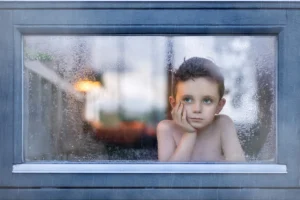
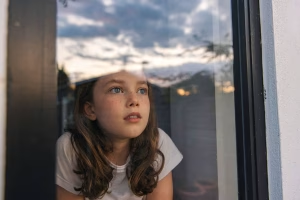
Here’s the thing — a lot of autistic children won’t just say “I need space.” They’ll show you.
You might notice them turning their body away, retreating to a corner, covering their ears or eyes, going very still, or throwing themselves into a solitary activity with intense focus. You might see the agitation creeping in before the meltdown arrives.
These aren’t acts of rejection. They’re not being dramatic or difficult. They’re communicating — just not always in the way we expect. What they’re essentially saying is: I’m at capacity. I need a minute.
And honestly? We should all be that self-aware.
The Simplest Response Is Usually the Best One
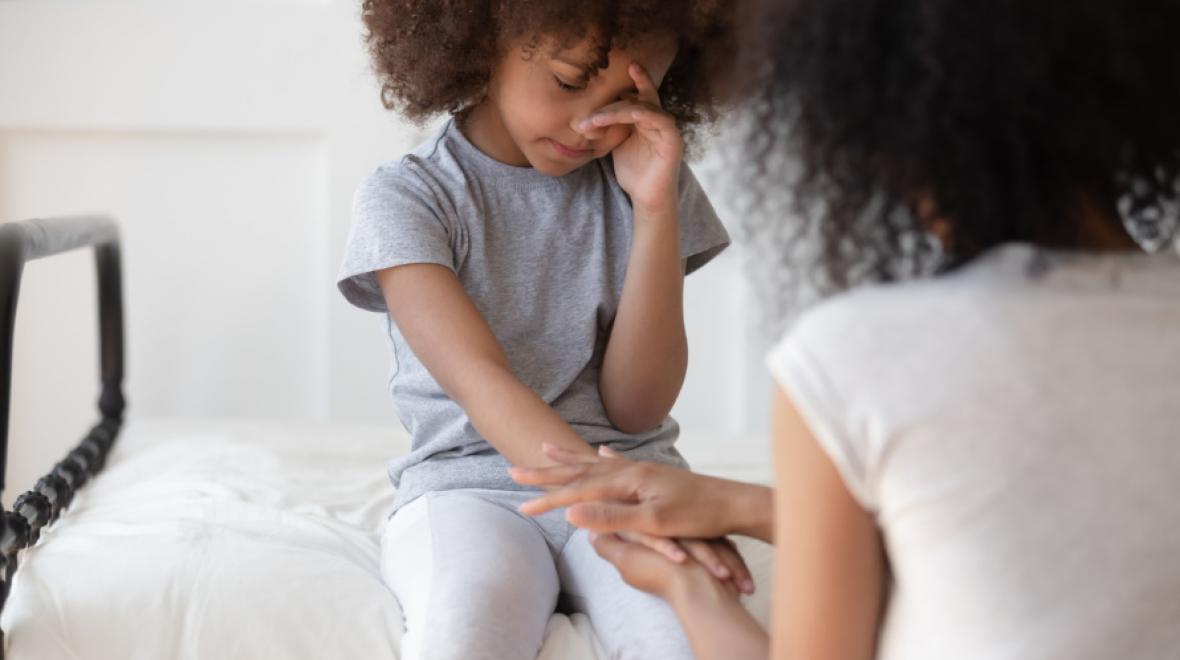
You don’t need to do anything complicated here. The most supportive thing you can do is give them the space without making a big deal of it.
Step back. Soften your voice or go quiet altogether. Don’t reach out to touch them. Make sure they’ve got somewhere calm to go, and let them come back to you when they’re ready.
That’s it. No lectures, no pressure, no “but I just want a hug.”
Because here’s what I’ve seen with my own boys — when they know they won’t be pushed, when they trust that their signals will actually be respected, they come back. They engage more, not less. The connection you’re so desperately trying to force? It happens naturally when they feel safe.
It’s Really Just About Respect
Respecting personal space isn’t some specialist autism technique. At its heart, it’s just empathy. It’s taking a moment to think about how the world feels from inside their experience — and adjusting accordingly.
When we consistently honour those boundaries, something shifts. The child learns that they don’t need to escalate to be heard. Their quiet cues are enough. And slowly, that safety starts to feel like something they can trust.
Sometimes the best thing we can offer isn’t a hug, or a pep talk, or a forced interaction.
Sometimes it’s just a bit of breathing room.