Creating a world where autistic children feel safe, understood, and respected begins with something incredibly important: boundaries.
For many autistic children, personal space isn’t just a preference — it’s a need. And helping them express that need, while also teaching others to respect it, can make a huge difference in their comfort and wellbeing.
Communication Doesn’t Always Need Words
When we think of communication, we often think of speaking — but for many children, especially those who are autistic, communication can look very different.
Simple tools can be incredibly powerful:
- A hand signal to say “I need space”
- A visual card they can hold up
- A gesture that feels natural to them
These small adaptations give children control and confidence, allowing them to express their needs in a way that feels safe and manageable.
The “Personal Space Bubble”
One of the easiest ways to introduce boundaries is through something visual and relatable.
Try explaining personal space as an invisible “bubble” around each person.
You can:
- Use a favourite toy to demonstrate
- Draw a picture together
- Act it out in a fun, playful way
Encourage your child to show when their bubble needs to be “bigger.” This not only helps them understand their own needs but reassures them that those needs matter.
Teaching Others to Respect Boundaries
It’s just as important that the people around your child understand these boundaries too.
Siblings, family members, and friends can learn through:
- Gentle reminders
- Simple explanations
- Role-playing different situations
This creates a shared understanding and helps build a supportive, respectful environment — not just for your child, but for everyone.
Creating a Safe Space at Home
Every child needs a place where they can just be.
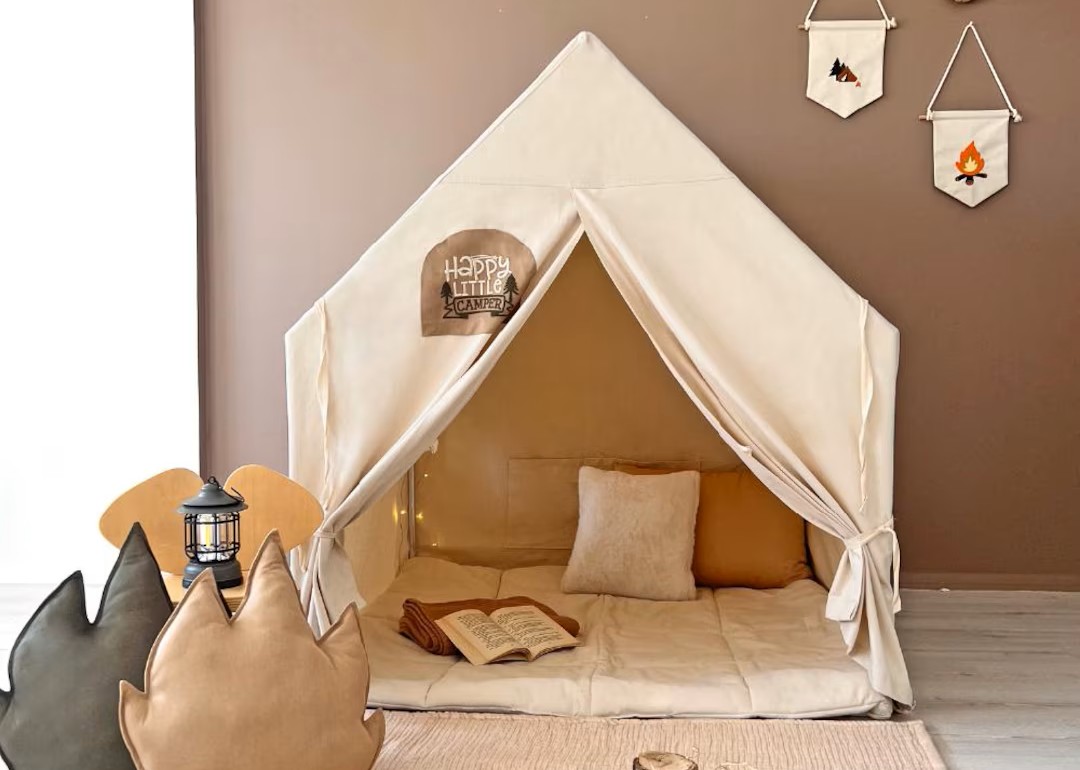
For autistic children, having a dedicated safe space at home can be incredibly grounding. This might look like:
- A quiet corner with soft cushions
- A cosy nook filled with favourite books
- A small tent or hideaway space
This area becomes their sanctuary — a place to retreat, regulate, and recharge.

Why This Matters
When we honour a child’s need for space, we send a powerful message:
“Your feelings are valid. Your needs matter. You are safe here.”
By teaching children how to express their boundaries — and ensuring those boundaries are respected — we’re not just helping them cope with the world.
We’re helping them feel confident in who they are within it.