For a lot of autistic children, the want to connect is absolutely there. It’s not that they don’t care about friendship — it’s that the path to it can feel genuinely confusing and, at times, completely overwhelming.
One of the biggest hurdles is trying to make sense of social cues. So much of how children communicate with each other is completely unspoken — facial expressions, tone of voice, body language, the meanings hiding between the lines. For an autistic child, those cues don’t always come naturally. A joke might land as a statement of fact. A shift in tone might go unnoticed. Sarcasm — which, let’s be honest, is basically a language of its own — can feel less like playfulness and more like rejection.
And then there’s the whole business of starting and keeping a conversation going. Knowing how to join in a game, when to speak, how to read the room and take turns — none of that is automatic. An autistic child might talk passionately for twenty minutes about their favourite topic without realising the other child checked out at minute three. Or they might go completely quiet, unsure how to get into a conversation that’s already moving without them.
Sensory sensitivities play a huge role too — and this one often gets overlooked. A busy, noisy playground or an unpredictable classroom can tip an autistic child into complete overwhelm. What might look from the outside like “not wanting to join in” is often actually a child doing everything they can just to cope with the environment around them.
And when things don’t go well — when a child reaches out, tries to connect, and it falls apart — they may not understand why. Over time, that can lead to real anxiety around social situations. A reluctance to try again. Not because they’ve stopped caring, but because it’s started to feel too hard, too painful, or just too uncertain.
Why one good friend can change everything
Here’s the thing, though — it doesn’t take a big social circle to make a difference. Even one meaningful friendship can completely change things.
A real friend offers two things that are genuinely invaluable to an autistic child: predictability and acceptance. With the right person, there’s no pressure to perform. No need to mask or carefully manage every word and expression. It’s just… space to be themselves. And that space? It’s worth everything.
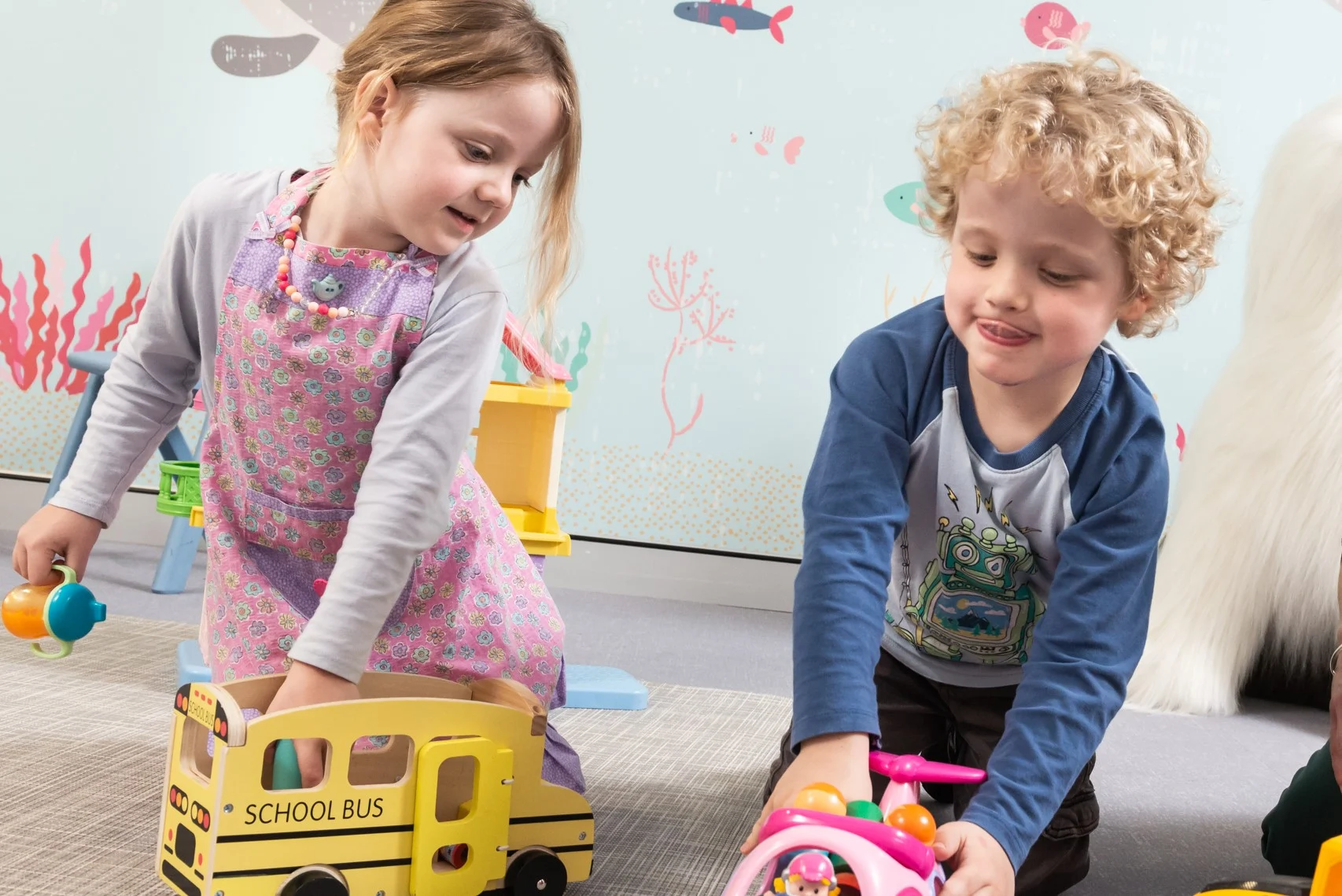
These friendships often grow around shared interests — and that makes complete sense. A mutual obsession with trains, gaming, animals, Minecraft, or whatever it happens to be becomes a natural bridge. The conversation flows more easily. The connection feels real rather than forced.
How we can help
As parents, carers, and teachers, we can make a real difference here — even in small ways.
We can teach social skills gently and explicitly, without making a child feel like they’re constantly getting things wrong. We can create opportunities for one-on-one time rather than throwing them straight into big group settings, which are often just too much. We can encourage other children to be kind, patient, and genuinely inclusive — because empathy is something that can be taught, on both sides. And we can celebrate the small wins, because every step towards connection genuinely matters.
Most importantly, we can remind our kids — and ourselves — that they don’t need a huge group of friends to be happy.
They just need the right one.