I was reading The Compound Effect by Darren Hardy this morning — something I’ve been dipping in and out of — and one part of it just kind of stopped me in my tracks.
He was talking about routines. Not the “wake up at 5am and meditate and drink a green smoothie” kind of routine that makes you want to throw your phone across the room. Just the quiet, boring, ordinary things you do every day without thinking about them. The stuff that becomes as automatic as brushing your teeth.
And the more I sat with that idea, the more I thought — yeah. That actually makes a lot of sense.
Think about elite athletes. They don’t suddenly turn up at the Olympics and have a blinder of a day out of nowhere. They win because of years of doing basically the same thing, over and over again, when nobody was watching. Soldiers are trained through repetition so their responses become automatic under pressure. Pilots run through the same pre-flight checks every single time — even after thousands of hours in the air. Because routine doesn’t just prepare the plane. It prepares the person.
And then my mind went — as it so often does — straight to my boys.
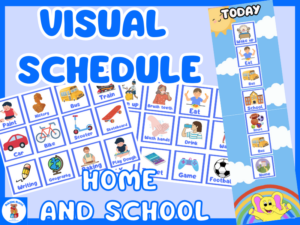
Because for Blake and Matthew, routine isn’t a productivity hack. It’s not something they do to be more efficient or get ahead. It’s something they genuinely need. It’s safety. It’s the thing that makes the world feel manageable instead of completely overwhelming.
When they know what’s coming next, they can breathe. When things are predictable and familiar, they can actually relax and just… be. And when that predictability gets ripped away — even over something that might seem tiny to us — the fallout can be huge. Not because they’re being difficult. Because their sense of security has just been yanked out from under them.
I’ve thought about this so many times. Society absolutely celebrates routine when it comes to successful people. Athletes, entrepreneurs, high-achievers — their routines are written about in books and podcasts and Instagram posts like they’re the secret to life. And yet autistic people are so often criticised, or even pathologised, for needing exactly the same thing.
Make it make sense. Honestly.
Because the traits that make routine so important for autistic individuals — consistency, focus, reliability, attention to detail, a real comfort with repetition — are the same traits that make people exceptional at so many things. Data analysis, research, engineering, creative work, skilled trades… the list goes on. When autistic people are given the right environment and the right support, they don’t just cope. They thrive.
Routine isn’t a cage. It’s a launchpad.
And as a mum, there’s something really reassuring about that. Because on the days when it feels like we’re just getting through it — when we’re managing the same requests and the same rituals for the hundredth time — I can remind myself that we’re actually building something. Stability. Confidence. A framework that gives my boys the solid ground they need to grow.
And if I’m honest? I think there’s something in this for the rest of us too.
We’re all out here chasing big moments and dramatic changes and overnight transformations. But the things that have genuinely shifted in my own life — the piano practice, the Duolingo streak, the daily Sudoku, the gratitude journal — none of that happened because I had one big inspired day. It happened because I just kept showing up. Five minutes here, ten minutes there. Ordinary days, stacked up.
That’s the magic. It’s not glamorous. But it works.
So maybe the goal isn’t some perfect, Instagram-worthy morning routine. Maybe it’s just finding the small, steady things that hold you together — and doing them, day after day, until they become part of who you are.
For my boys, those routines are anchors.
And honestly? For me, they are too.