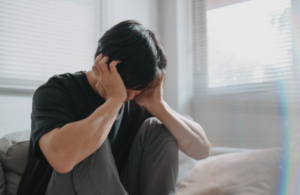

Sensory overload isn’t just feeling a bit overwhelmed. It’s when the world turns the volume up to a level that most people don’t even register — and you can’t find the dial to turn it back down.
Lights that others barely notice can feel blinding. A hum in the background becomes a drilling noise you can’t think past. A hand on your shoulder, meant kindly, lands like an electric shock. And in places like a busy shopping centre or a crowded street, it’s not just uncomfortable — it can feel completely impossible.
If that sounds familiar, or if you’re a parent watching your child struggle in situations that seem fine to everyone else around them — you’re not imagining it. And you’re not overreacting.
You’re not “too sensitive”
Here’s what’s actually happening: your nervous system — or your child’s — is processing more than most people’s do. That’s not a flaw. It’s just a different way of being in the world. But it is exhausting. And it deserves to be taken seriously.
The goal isn’t to toughen up or push through. It’s to find ways to move through the world that actually work for you.
What actually helps
When overload hits, the most important thing is to reduce input quickly — step outside, find a quieter corner, put headphones on. Even a few minutes away from the noise can help your system settle.
It also helps to have a few things with you that feel grounding. Some people carry a smooth stone or a familiar scent. Others swear by soft clothing with no scratchy labels. Whatever it is for you or your child, it’s not silly — it’s practical.
A few other things worth building into your routine:
- Talk about touch preferences before you need to. A simple “I’m not great with unexpected touch” is easier to say in a calm moment than in the middle of a crowd.
- Scope out your exits. Before entering a busy space, know where the quiet spots are and agree on a signal if you — or your child — needs to leave. Knowing you can go makes it much easier to stay.
One last thing
Sensory overload isn’t a weakness, and it isn’t something to be ashamed of. It’s just a different experience of the world — one that most people around you probably don’t fully understand yet.
But you deserve spaces that feel safe. You deserve people who get it. And you deserve to feel okay in your own body — not just some of the time, but as much as possible.
That’s what this is all about.