Learn what neurodivergence means, common examples like autism and ADHD, and how to support neurodivergent people with understanding and compassion.
🧠 What Does Neurodivergent Mean?
Neurodivergence describes natural differences in how people’s brains work. A neurodivergent person thinks, learns, communicates, or experiences the world in ways that differ from what society considers typical.
The term comes from the concept of neurodiversity, which recognizes that brain differences are part of normal human variation — not flaws to be fixed.
The opposite term is neurotypical, meaning someone whose brain functions in ways that align with common expectations.
👉 Being neurodivergent doesn’t mean broken or less capable. It simply means different.
🌟 Examples of Neurodivergent Conditions
Neurodivergence is an umbrella term that includes a wide range of neurological differences, such as:
- Autism
- ADHD (Attention-Deficit/Hyperactivity Disorder)
- Dyslexia
- Dyspraxia
- Tourette’s Syndrome
- OCD (Obsessive-Compulsive Disorder)
- Sensory Processing Differences
Every neurodivergent person is unique. Two autistic individuals, for example, may have completely different strengths, personalities, and support needs.
💭 Neurodivergence vs. Neurotypical: What’s the Difference?
Understanding the difference helps create empathy and inclusion.
Neurotypical people generally process information, communicate, and respond to the environment in ways society expects.
Neurodivergent people may:
- Experience sensory input more intensely or less intensely
- Communicate differently
- Prefer routines or predictability
- Process emotions or information in unique ways
- Have specialized interests or deep focus
Neither way is better — just different 💫
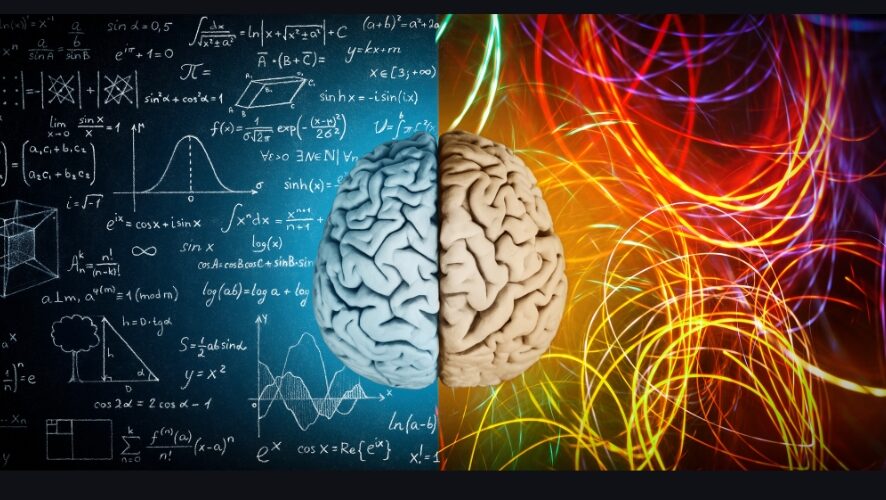
✨ Strengths Often Associated with Neurodivergence
While discussions often focus on challenges, many neurodivergent individuals have remarkable strengths.
Common strengths may include:
- Creative or innovative thinking
- Strong attention to detail
- Deep focus on passions
- Honesty and authenticity
- Exceptional memory for specific topics
- Unique problem-solving abilities
Of course, strengths vary from person to person.
🌍 Challenges Neurodivergent People May Face
Many difficulties arise not from the individual, but from environments designed for neurotypical brains.
Challenges can include:
- Sensory overload in loud or crowded spaces
- Difficulty with unexpected changes
- Social misunderstandings
- Anxiety or burnout
- Barriers in school or workplace settings
With understanding and accommodations, these challenges can be greatly reduced.
🤝 How to Support Neurodivergent People
You don’t need to be an expert to make a difference. Small actions create safer, more inclusive spaces.
💛 Listen without judgment
💛 Respect sensory needs
💛 Be patient with communication differences
💛 Offer clear instructions and expectations
💛 Avoid forcing eye contact
💛 Allow breaks when overwhelmed
💛 Focus on strengths, not just struggles
Sometimes the most powerful support is simple acceptance.
💡 Why Understanding Neurodivergence Matters
Without awareness, neurodivergent people are often misunderstood or unfairly labeled as:
- “Difficult”
- “Too sensitive”
- “Lazy”
- “Rude”
- “Not trying hard enough”
In reality, many are navigating a world that isn’t designed for how their brains work.
Greater understanding leads to compassion — and compassion leads to inclusion 💛
🌈 Neurodivergence Is Part of Human Diversity
Neurodivergent people have always existed. Today, we simply have better language to understand and support them.
When we embrace neurological differences, we create a world where more people can thrive, contribute, and feel a sense of belonging.
Because the goal isn’t to make everyone the same.
✨ It’s to make space for everyone to be themselves.