If you’ve landed on this post, chances are neurodivergence isn’t a completely new word to you. Maybe you’ve got a child who’s been diagnosed with autism or ADHD. Maybe someone close to you has. Or maybe you’ve started wondering about yourself. Whatever brought you here — welcome. Let’s have a proper chat about it.
So, what does neurodivergent actually mean?
At its simplest, neurodivergence just means that someone’s brain works differently from what society considers “typical.” That’s it. It’s not a diagnosis in itself — it’s more of an umbrella term that covers a whole range of neurological differences, including autism, ADHD, dyslexia, dyspraxia, Tourette’s Syndrome, OCD, and sensory processing differences, among others.
The flip side of neurodivergent is neurotypical — meaning someone whose brain processes the world in the way most people expect. And honestly? Neither is better than the other. They’re just different.
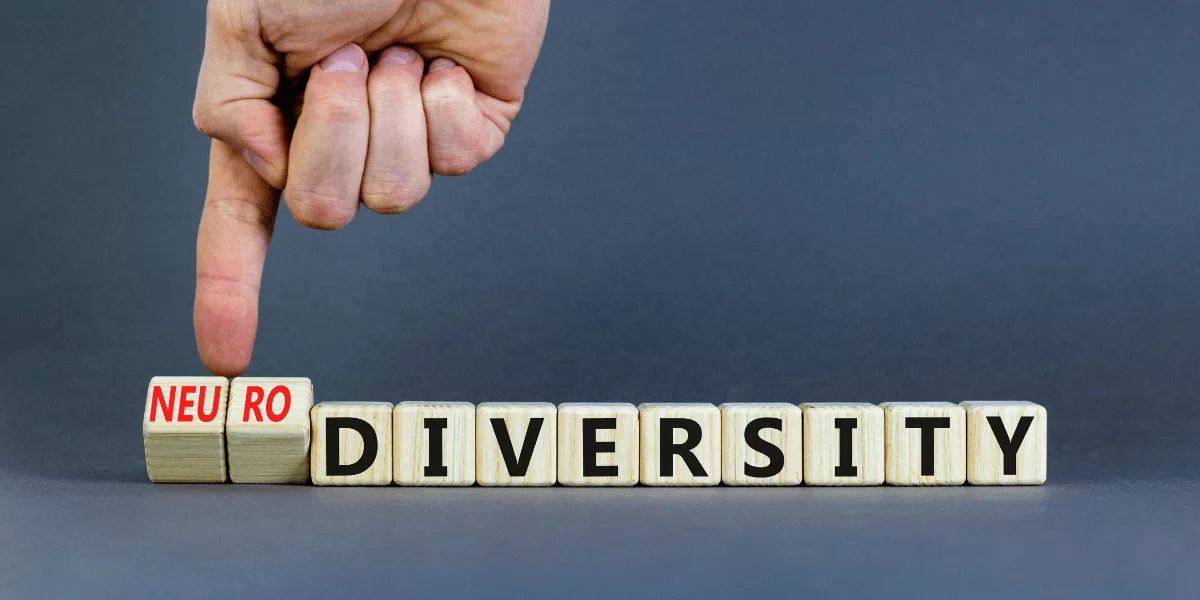
The whole concept comes from something called neurodiversity — the idea that variation in how human brains work is completely natural. Not a flaw. Not something that needs fixing. Just… part of being human.
Every neurodivergent person is different
This is so important, and it’s something I say a lot when I talk about my boys. Blake and Matthew are both autistic — but they couldn’t be more different from each other. Blake is incredibly social, has loads of friends, but has very heightened sensory issues around touch and smell. Matthew is academically brilliant, can hold a conversation about history or politics that would put most adults to shame, but struggles enormously with friendships with other kids his age.
Two autistic kids. Completely different experiences of the world.
That’s neurodivergence. It is not a one-size-fits-all thing. Ever.
What does it actually look like day to day?
Neurodivergent people might experience sensory input more intensely — or sometimes less intensely — than others. They might communicate differently, thrive on routine and predictability, process emotions in their own way, or have deep, passionate interests in very specific topics (Matthew and his capitals and flags, anyone?!).
And yes, there are challenges. Sensory overload in loud or crowded spaces. Difficulty when plans suddenly change. Anxiety. Burnout. Feeling completely misunderstood in environments that just weren’t designed with them in mind.
But here’s something I really want to say, because I think it gets overlooked — there are so many strengths that come with neurodivergence too. Creative thinking. An incredible eye for detail. Deep focus when something captures their interest. Honesty. Exceptional memory for the things they love. Unique ways of solving problems that neurotypical people might never even think of.
That said — and this is something I feel quite strongly about — let’s not fall into the trap of romanticising it either. Not every autistic child has a “superpower.” Some families are navigating incredibly difficult days, and glossing over that doesn’t help anyone. The reality is nuanced, and we need to hold space for both the strengths and the very real challenges.
Why does any of this matter?
Because without awareness, neurodivergent people — kids and adults alike — get labelled. Difficult. Too sensitive. Lazy. Rude. Not trying hard enough.
I’ve heard versions of all of these. And every single time, what it really means is: this person is navigating a world that wasn’t built for how their brain works.
When Matthew was little, a health visitor basically told me that his meltdowns were my fault — that my anxiety was rubbing off on him. She didn’t even look at him properly. And it was devastating. Because I knew something was different, I just couldn’t make anyone listen. That kind of misunderstanding has real consequences for real families.
Greater awareness leads to compassion. And compassion leads to actually making things better — for neurodivergent people, and for the people who love them.
How can you actually support a neurodivergent person?
You don’t need a degree in psychology. Honestly, sometimes the most powerful thing you can do is just… listen. Without judgment. Give clear, straightforward instructions. Respect sensory needs — don’t push for eye contact or physical touch if it’s uncomfortable. Be patient when communication looks a bit different. Allow breathing space when things get overwhelming. And focus on what someone can do, not just where they struggle.
Simple stuff. But it makes a massive difference.
The bottom line
Neurodivergent people have always existed. We just have better language for it now — and hopefully, growing understanding to go with it.
The goal was never to make everyone the same. It’s to make space for everyone to actually be themselves.
And honestly? The world is a much more interesting place for it.