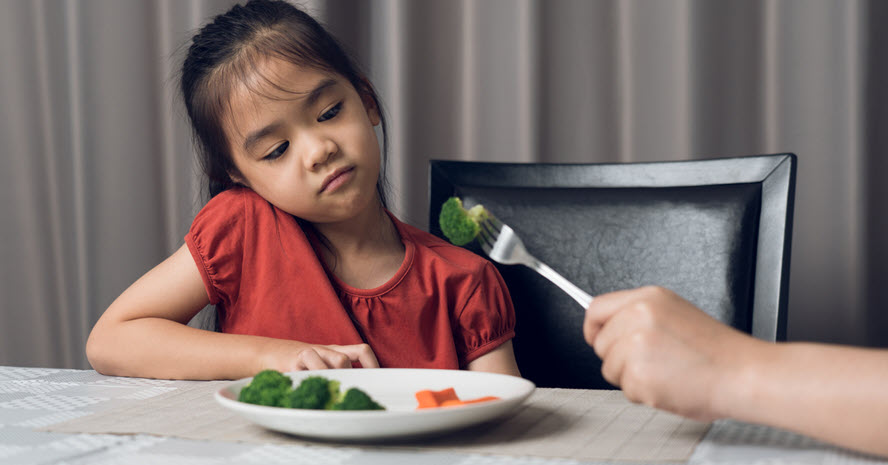
Let me paint you a picture of a typical mealtime in our house when the boys were younger.
I’d spend time making what I thought was a perfectly reasonable dinner, put it on the table, and within seconds the whole thing would fall apart. Not because my boys were being difficult. Not because I was a bad cook (well, debatable, but that’s beside the point). But because food, for autistic children, is so much more complicated than it looks.
If this sounds familiar, I want you to know something before we go any further — you are not failing. Not even a little bit.
Food Is So Much More Than Just Food
For a lot of autistic children, eating isn’t just about taste. It’s about texture, smell, temperature, appearance, and even sound — yes, the crunch of something can actually be a problem. And above all, it’s about predictability.
Something that seems like a perfectly normal meal to you or me can feel genuinely overwhelming to an autistic child. Mashed potato might feel slimy. A crunchy food might feel unbearably loud inside their mouth. Mixed textures — like yoghurt with bits of fruit in it — can be enough to cause real distress.
Try to imagine being expected to eat something every day that feels, to your senses, completely unbearable. A lot of autistic children would genuinely rather go hungry. And many do.
Safe Foods Are Not the Enemy
You’ve probably heard the term “safe foods.” These are the foods your child will actually eat — the ones that feel predictable, familiar, and non-threatening. In our house we’ve had our fair share of them over the years.
We’re talking plain pasta. Chicken nuggets. A specific brand of crisps that absolutely cannot be swapped for another brand, even if they look identical. White bread. Chips. The same cereal, every single morning, from the same box.
And here’s the thing — sometimes it’s not even just the food itself. It has to be a specific brand. A specific shape. Cooked a specific way. I once made the rookie mistake of buying a different brand of something because the usual one was out of stock. You can probably guess how that went.
This is not stubbornness. This is not bad parenting. This is your child finding safety in a world that can feel really, really unpredictable.
Eating Something Is Better Than Eating Nothing
I know how worrying it is when your child’s diet feels incredibly limited. I know the looks you get. I know what it feels like to sit in a restaurant and pull a packed lunch out of your bag because it’s the only thing your child will eat. (Been there. Done that. Zero regrets.)
But one of the most important things I’ve learned over the years is this — if your child has safe foods, those foods are doing a job. They’re preventing hunger. They’re reducing anxiety around mealtimes. They’re giving your child a sense of control in a world that often feels like it has none.
For some kids, the list of foods they’ll eat grows slowly over time. For others, it stays small for years. And honestly? Both of those things are okay.

Why Pushing Usually Makes Things Worse
I completely understand the urge to push. To try and introduce new things. To encourage just one bite. I’ve been there too.
But pressure — even well-meaning pressure — tends to backfire. It increases anxiety. It makes mealtimes feel like a battleground. It creates negative associations that can be really hard to undo. There are autistic adults who still carry trauma from being forced to eat foods that overwhelmed them as children, and that’s not something any of us want for our kids.
A calm, low-pressure mealtime will always do more good than a stressful one.
Progress Looks Different Here
If your child is autistic, progress around food might not look like you expect it to. It probably won’t start with them suddenly tucking into a new meal and declaring it delicious.
Progress might look like a new food sitting on the plate and not causing a meltdown. It might be touching it. Smelling it. Licking it and pulling a face. Taking the tiniest bite and immediately spitting it out.
All of that counts. Every single step counts.
Let Go of the Comparison
Social media will have you believe every child is sitting down to colourful, balanced meals. Well-meaning relatives will ask why your child only eats beige food. Random strangers in restaurants will stare.
Ignore all of it.
Your child is not on anyone else’s timeline. Your job isn’t to hit some imaginary standard of what mealtimes are “supposed” to look like. Your job is to support your child — and if that means cooking separate meals, bringing safe snacks in your bag everywhere you go, or celebrating because they ate anything today, then that is exactly what you should be doing.
Fed, calm, and safe? That’s a win.
You’re Not Alone In This
So many families deal with this quietly, feeling embarrassed about something as fundamental as feeding their child. But there is nothing to be embarrassed about.
If your child relies on one or two foods right now, that’s okay. Safety today is the foundation for growth tomorrow — even if that growth looks slow, or small, or nothing like you imagined it would.
You’re doing brilliantly. Even on the days it really doesn’t feel like it.