For many people, using a public toilet is a quick, everyday task — something barely worth thinking about.
But for some autistic children and adults, public toilets can feel overwhelming, distressing, and even unbearable.
This isn’t about being “fussy” or “difficult.” It’s about how the world is experienced through a different sensory lens.
A Sensory Overload Waiting to Happen
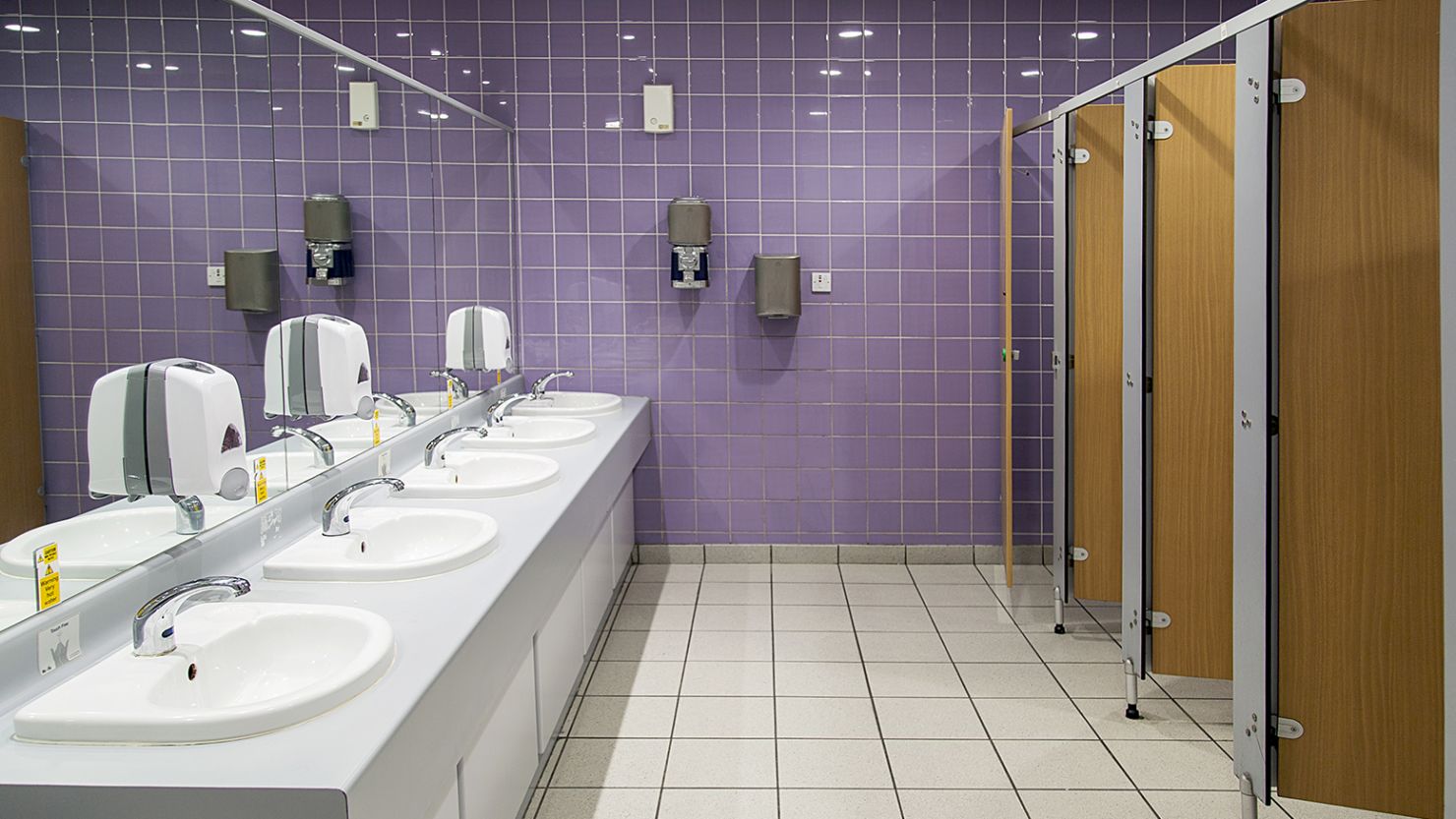
Public toilets are often full of intense sensory input:
- Loud hand dryers that start unexpectedly
- Echoing sounds from tiled walls
- Bright or flickering fluorescent lights
- Strong, mixed smells from cleaning products and other users
- Cold, hard surfaces and unfamiliar textures
For someone with sensory sensitivities, this environment can quickly become too much.
What might seem like a mild annoyance to others can feel physically painful or deeply distressing.
The Anxiety of the Unknown
Many autistic individuals rely on predictability and routine to feel safe.
Public toilets, however, are unpredictable:
- Will it be clean or dirty?
- Will there be loud noises?
- Will someone try to come in or interact?
This uncertainty can trigger intense anxiety before they even step inside.
Lack of Privacy and Control
Public toilets often remove a sense of control:
- Doors that don’t lock properly
- Gaps in cubicle doors
- People coming and going
- Unexpected sounds from other stalls
For someone who already feels overwhelmed, this lack of control can heighten panic.
Interoception Challenges
Some autistic individuals experience differences in interoception — the ability to recognise internal body signals.
This can mean:
- Not noticing the need to use the toilet until it’s urgent
- Difficulty coordinating the steps involved
- Feeling unsure or anxious about the process itself
When you combine this with an overwhelming environment, it can lead to avoidance altogether.
When Avoidance Becomes a Real Issue
Avoiding public toilets isn’t just inconvenient — it can become a health concern.
Some children (and adults) may:
- Hold in urine for long periods
- Refuse to go unless at home
- Experience distress, meltdowns, or shutdowns
This is often misunderstood as stubbornness, when in reality it’s a coping mechanism.
Why I Personally Struggle with Public Toilets
I’ll be honest — this isn’t just something I understand as a parent. It’s something I feel myself.
My sense of smell is much more intense than most people’s. I notice smells before anyone else does, and once I smell something, it doesn’t just pass — it lingers, and it’s amplified.
So when I walk into a public toilet, I don’t just notice unpleasant smells… I experience them on a completely different level.
They can be so overpowering that they make me feel physically sick.
It’s not something I can just ignore or “push through.” My body reacts instantly.
On top of that, I also struggle with germs. Public toilets can feel like the worst place for that.
Whenever possible, I bring baby wipes with me so I can clean the toilet seat before I even think about sitting down. It’s something I need to do to feel even slightly comfortable.
And even then, it’s still difficult.
This is just another reason why public toilets can be such a challenging experience—not just for autistic children, but for adults too.
Why This Matters
When we talk about autistic children struggling with public toilets, it’s important to remember — these experiences don’t come from nowhere.
Sensory sensitivities, like heightened smell, are very real.
What might seem manageable to one person can be completely overwhelming to another.
What Can Help?
While every individual is different, some strategies may help:
- Preparing in advance (photos, social stories, explaining what to expect)
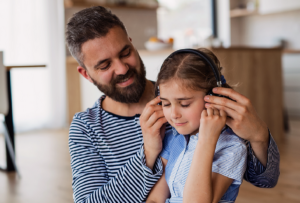
- Carrying comfort items (headphones, familiar smells, wipes)
- Using quieter or accessible toilets where possible
- Practicing gradual exposure in a safe, supported way
- Most importantly: respecting boundaries and not forcing the situation
A Little Understanding Goes a Long Way
If you’ve ever seen a child refusing to use a public toilet, it’s easy to assume the worst.
But behind that moment could be overwhelming sensory input, anxiety, and a genuine feeling of distress.
A little patience, compassion, and awareness can make a huge difference.
Final Thoughts
For some autistic individuals, public toilets are not just inconvenient — they’re overwhelming, unpredictable, and sometimes terrifying.
Understanding this is the first step toward creating more inclusive, supportive spaces for everyone.