When we talk about autism, the conversation often leans heavily toward one perspective — how it presents in boys. But autism doesn’t look the same for everyone, and understanding the differences between boys and girls is essential if we want to truly support all autistic individuals.
As awareness grows, so does the realisation that many girls are being overlooked, misunderstood, or diagnosed far too late. Let’s explore why.
Diagnosis: Why Girls Are Often Missed
Autism is far more frequently diagnosed in boys — and often much earlier too. This isn’t because boys are more likely to be autistic, but because they tend to display traits that closely match traditional diagnostic criteria.
Girls, however, can present very differently.
They may:
- Show less obvious signs
- Be more socially aware
- Learn to “mask” their difficulties
Masking is when an autistic person consciously or unconsciously hides their struggles to fit in. Many girls become incredibly skilled at this from a young age, copying behaviours and responses they see in others.
The result?
They are often misdiagnosed with anxiety, depression, or simply labelled as “shy” — delaying access to the support they truly need.
Socialisation: Blending In vs Standing Out
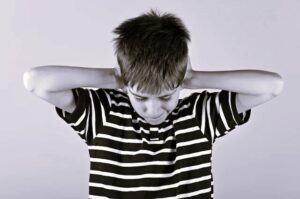
Autistic boys may show clearer differences in social communication. They might:
- Struggle to start conversations
- Prefer solitary activities
- Show less interest in social interaction
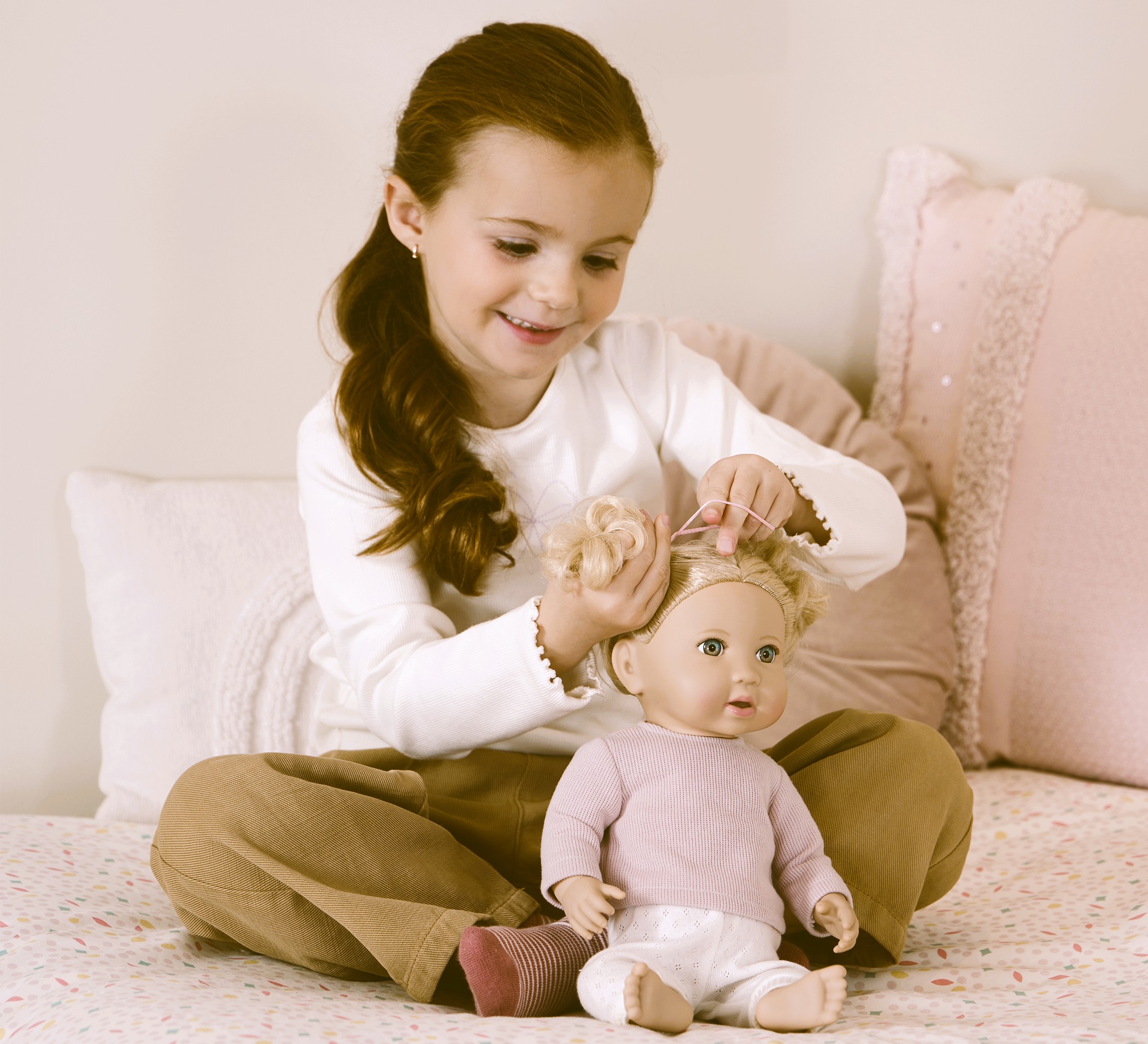
Autistic girls, on the other hand, often appear socially engaged.
They may:
- Mimic peers’ behaviours and expressions
- Follow social scripts
- Work hard to “fit in”
But this comes at a cost.
Behind the scenes, many girls feel:
- Exhausted from constant effort
- Confused about social rules
- Deeply isolated despite seeming “fine”
It’s like acting in a play all day long — without ever getting to be yourself.
Strengths: Different Doesn’t Mean Less
Both autistic boys and girls have incredible strengths — they just don’t always look the same.
Boys are often recognised for strengths in:
- Systems and logic
- Maths and technology
- Rule-based thinking
Girls may shine in areas such as:
- Pattern recognition
- Creativity and imagination
- Empathy and emotional insight
Many autistic girls form deep connections with:
- Animals
- Nature
- Art and storytelling
These strengths are just as valuable — but they’re often overlooked because they don’t fit the “typical” autism narrative.
The Hidden Issue: Underdiagnosis in Girls
Perhaps the most important piece of this conversation is the underdiagnosis of girls.
When autism goes unrecognised:
- Support comes too late — or not at all
- Mental health struggles increase
- Self-esteem can suffer
- Girls may grow up feeling “different” without understanding why
And the cycle continues.
Because girls are underdiagnosed, there’s less research, less awareness, and fewer tailored resources — which only deepens the gap.
Moving Forward: A More Nuanced Understanding
Autism is not one-size-fits-all.
To truly support autistic individuals, we need to:
- Broaden diagnostic understanding
- Recognise masking behaviours
- Listen to lived experiences (especially from women and girls)
- Celebrate all autistic strengths — not just the visible ones
Every autistic child deserves to be seen, understood, and supported for who they truly are — not who they’ve learned to pretend to be.