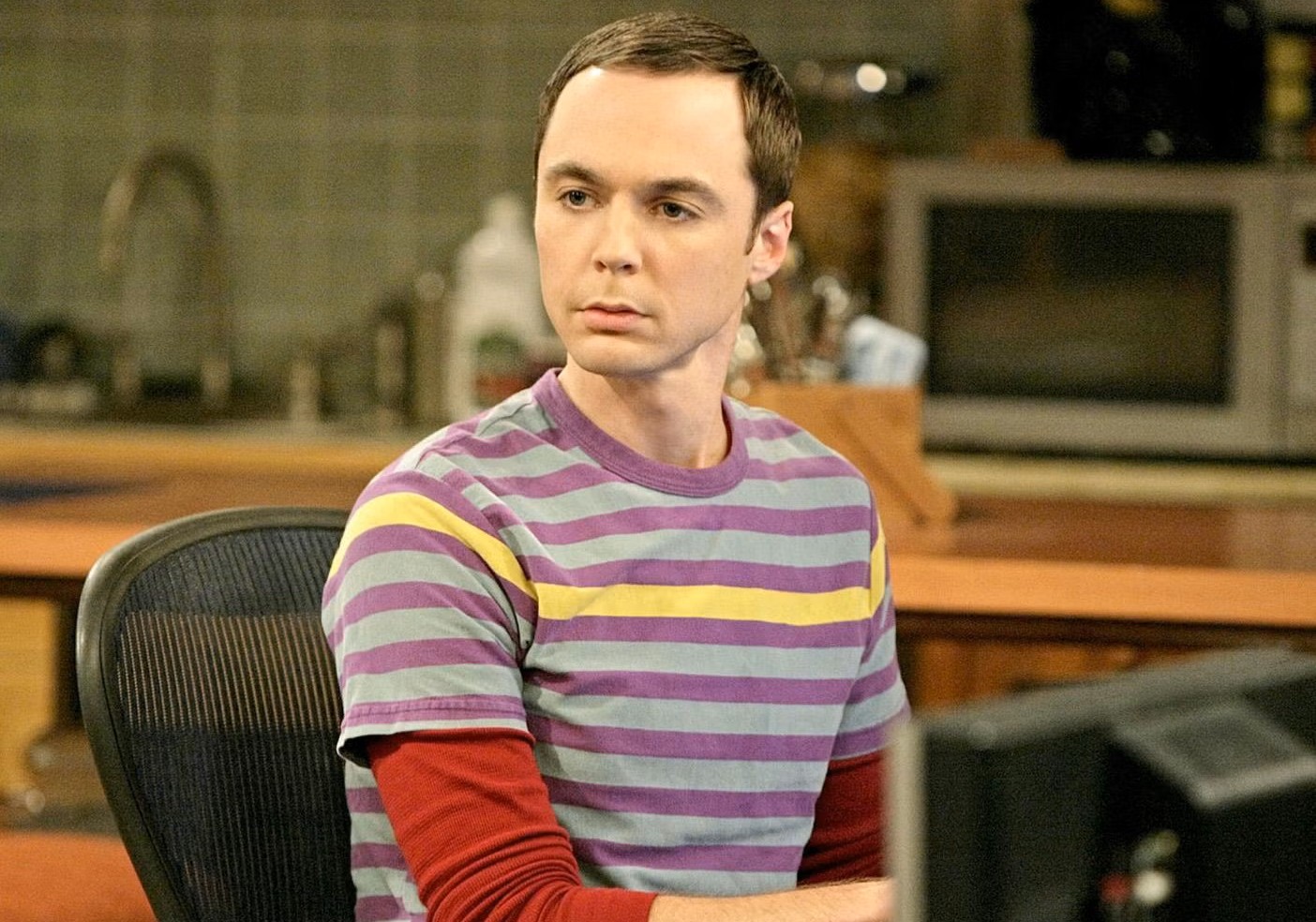
When we think about autism and how it’s represented in everyday life, television often plays a bigger role than we realise. The characters we watch week after week can quietly shape how we understand differences, behaviours, and even entire communities. One character who has sparked a lot of conversation in that space is Sheldon Cooper.
Sheldon is brilliant, logical, and deeply routine-driven. He struggles with social cues, prefers structure, finds comfort in predictability, and can become overwhelmed when things don’t go the way he expects. For many people, these are just personality quirks that make him funny or endearing. But for others — especially those of us within the autism community — these behaviours feel deeply familiar. Like looking in a mirror, or watching your child across the room.
Although Sheldon is never officially described as autistic, so many people see parts of themselves, their children, or their loved ones in him. And that matters more than people might think.
Representation doesn’t always have to be labelled to be meaningful. Sometimes, it’s about recognition. It’s about that quiet moment of “that feels like me” or “that reminds me of my child.” For parents raising autistic children, characters like Sheldon can open doors to conversations that might never have happened otherwise — helping people understand that differences in communication, routine, and sensory preferences aren’t flaws. They’re just another way of experiencing the world.
That said, it’s equally important to acknowledge what Sheldon doesn’t show us.
Autism is a spectrum. A vast, complex, beautifully varied spectrum. Sheldon represents one very narrow set of traits — mainly intellect and social awkwardness — and while that’s valid, it’s only one tiny corner of a much bigger picture. Many autistic people have entirely different communication styles, sensory needs, emotional experiences, and ways of moving through the world that look nothing like what we see on screen.
As a mum to two autistic boys, I know first-hand just how unique each autistic experience can be. My kids are not “like Sheldon.” They are themselves — completely, wonderfully themselves. They have their own challenges, their own joys, and their own extraordinary ways of seeing the world that I wouldn’t trade for anything.
Characters like Sheldon can build awareness, yes. But they should never be used to define what autism looks like. At their best, they’re a starting point. A bridge. A way in for someone who didn’t previously know where to begin.
Because autism isn’t a stereotype. It isn’t a single personality type. It isn’t a TV character.
It’s a spectrum of real people, real families, and real experiences — each one valid, each one important, and each one deserving to be understood on its own terms.
And if a fictional character helps someone take that very first step toward understanding? Then honestly, that’s a conversation worth having.